








Bengaluru’s most beloved green lung has a different personality every single month. Here’s exactly when to go — and why timing changes everything.
If you’ve ever stood inside Lalbagh Botanical Garden on a misty January morning, watching mist curl around the 240-year-old Glass House while joggers loop past ancient trees, you already know: this place is alive in a way most city parks simply aren’t.
But here’s what most travel guides won’t tell you — Lalbagh isn’t a “show up anytime” destination. The experience changes dramatically depending on when you visit. The wrong month can mean sweltering heat, a sea of crowds, or a completely closed Glass House. The right month? Pure magic.
This month-by-month guide breaks it all down — weather, events, crowd levels, what’s blooming, and the honest pros and cons of every season.
What Makes Lalbagh Worth Timing Carefully?
Spread across 240 acres in the heart of Bengaluru, Lalbagh Botanical Garden is home to over 1,000 species of plants, a 3,000 million-year-old rocky knoll, a Victorian-era Glass House, and a diverse ecosystem that supports birds, bats, and even small mammals.
It was originally commissioned by Hyder Ali in 1760 and later expanded by his son Tipu Sultan. Today, it’s managed by the Karnataka government’s Department of Horticulture and attracts an estimated 2 million visitors annually.
That popularity is both its charm and its challenge.
Crowd density, temperature, plant bloom cycles, and the famous bi-annual flower shows all influence the quality of your visit. A little planning goes a long way.
Quick Answer: The Best Time to Visit Lalbagh Garden
The best months to visit Lalbagh Garden are October through February. During this period, Bengaluru’s climate is at its most pleasant — cool mornings, mild afternoons, and a lush garden landscape post-monsoon. January and August are particularly special if you want to catch the iconic Glass House Flower Shows.
Month-by-Month Breakdown
January — The Crown Jewel Month
January is unquestionably Lalbagh’s finest hour.
The Republic Day Flower Show (held around January 26th every year) transforms the Glass House into a stunning floral exhibition with elaborate tableaux, themed displays, and thousands of rare blooms. This event draws visitors from across Karnataka and beyond — and for good reason. The craftsmanship is extraordinary.
Temperature: 15°C to 26°C Crowd Level: Very High (especially during Flower Show week) What’s Blooming: Bougainvillea, seasonal annuals, chrysanthemums Visitor Tip: Go early — ideally before 8 AM — to beat the crowds. The Glass House gets packed by mid-morning during show week.
If you’re visiting solely for the flower show, budget extra time and patience. If you want the peaceful garden experience, come the week before or after the show.
February — Pleasant Weather, Fewer Crowds
Once the Republic Day show wraps up, Lalbagh exhales. February offers some of the best low-crowd, good-weather conditions of the year.
The garden remains green and lush. Mornings are refreshingly cool, hovering around 16°C, and the afternoon warmth is gentle rather than punishing. Bird watchers particularly love February — the winter migratory birds haven’t left yet, and early mornings near the lake attract kingfishers, herons, and parakeets.
Temperature: 16°C to 28°C Crowd Level: Moderate Highlight: Excellent for photography, morning walks, and birdwatching
This is one of the most underrated months to visit.
March — Getting Warmer, Still Manageable
March marks the beginning of Bengaluru’s pre-summer transition. It’s still pleasant enough for a morning or evening visit, though the midday heat starts making itself known. Spring-flowering trees like the Yellow Cassia (Cassia fistula, locally called Amaltas) start showing hints of color.
Temperature: 20°C to 33°C Crowd Level: Low to Moderate Best Time of Day: Early morning (6–9 AM) or evening (4–6 PM)
Avoid visiting between 11 AM and 3 PM in March — the sun is strong and shade inside the garden, while abundant, doesn’t fully compensate.
April — Summer Blooms and Rising Temperatures
April is polarizing. On one hand, the summer-flowering trees are spectacular — the Golden Shower tree erupts in cascading yellow blooms, and the garden takes on a warm, almost theatrical quality. On the other hand, Bengaluru’s April temperatures can push above 35°C on some days.
Temperature: 22°C to 35°C Crowd Level: Low (weekdays especially) Highlight: Spectacular flowering trees in bloom Visitor Tip: Carry water. Wear light, breathable clothing. A hat isn’t overkill.
April is surprisingly good for serious plant enthusiasts who want the garden to themselves and don’t mind the heat.
May — The Hottest Month; Proceed with Caution
May is Bengaluru’s peak summer month, and Lalbagh can feel quite harsh under the midday sun. That said, the garden’s canopy is thick enough that early-morning visits remain enjoyable.
The Jacaranda trees that line several paths are often past their peak bloom by mid-May, leaving purple-carpeted paths that are genuinely beautiful for a brief window.
Temperature: 24°C to 36°C Crowd Level: Very Low Best Strategy: Arrive at opening time (6 AM) and leave by 9 AM
Not recommended as a primary destination in May unless you’re visiting Bengaluru and want a quick early-morning outing.
June — Monsoon Arrives; Green Explosion Begins
When the Southwest Monsoon hits Bengaluru in early June, Lalbagh transforms almost overnight. The air changes. The red laterite paths darken with moisture. Leaves deepen to an impossibly rich green.
June is a bit unpredictable — you might get a lovely overcast morning or a sudden heavy downpour. But there’s something deeply atmospheric about Lalbagh in early monsoon.
Temperature: 20°C to 28°C Crowd Level: Low What to Expect: Rain showers (sometimes heavy), occasional waterlogged paths Bring: Umbrella or light raincoat, waterproof footwear
Photography enthusiasts often adore June for the dramatic skies and intense color saturation.
July — Deep Monsoon: Beauty with Trade-offs
July is full monsoon season in Bengaluru. Lalbagh is at its most lush and verdant — but also at its wettest. Some paths become muddy. Insects are active. The lake in the garden fills up beautifully.
Temperature: 19°C to 26°C Crowd Level: Very Low Highlight: The lake, waterfall areas, and lawns are stunningly green Caution: Check weather forecasts before visiting; heavy rain can limit the experience
Ideal for solitude seekers and nature lovers who don’t mind getting a little muddy.
August — The Second Flower Show
August is the second peak month for Lalbagh enthusiasts, and it’s all because of one event: the Independence Day Flower Show held around August 15th in the iconic Glass House.
Just like the January show, this event is a horticulture spectacle — elaborate floral installations, themed displays representing India’s cultural diversity, and a buzz that fills every corner of the garden.
Temperature: 19°C to 26°C Crowd Level: Very High during Flower Show week Visitor Tip: The combination of monsoon greenery plus the flower show makes August uniquely beautiful — but plan well in advance
September — Post-Monsoon Perfection (Lesser Known)
Here’s a secret: September is one of the most underrated months to visit Lalbagh.
The monsoon tapers off, the garden is at peak lushness from months of rain, temperatures are comfortable, and the crowds are thin. You get the best of everything without the festival rush.
Temperature: 20°C to 28°C Crowd Level: Low Highlight: Maximum greenery, comfortable weather, minimal crowds
If you can only visit Lalbagh once and flexibility is your friend, consider September.
October — Post-Monsoon Sweetspot
October brings crisp, clear air to Bengaluru as the monsoon fully retreats. The garden sparkles. Lawns are green, the lake is full, and temperatures are perfect for extended walking.
Festivals like Dussehra mean the city is lively, but Lalbagh itself remains a peaceful contrast to the street noise outside its walls.
Temperature: 18°C to 28°C Crowd Level: Low to Moderate Best For: Family visits, photography, extended morning walks
November — Cool, Comfortable, and Photogenic
November is another gem month. Cool mornings, pleasant afternoons, and the ongoing post-monsoon greenery make for near-ideal conditions. Migratory birds begin arriving, and birdwatching gets exciting again.
Temperature: 17°C to 26°C Crowd Level: Moderate Highlight: Excellent light for photography, particularly in early morning
Local photographers and plant lovers rate November highly for the quality of natural light inside the garden.
December — Festive Atmosphere, Good Weather
December brings holiday energy to Bengaluru, and Lalbagh sees a slight uptick in visitors. The weather is delightful — cool enough for long walks, warm enough to sit on the grass without a jacket in the afternoon.
The garden staff often begins preparations for the January Flower Show toward month’s end, so you might spot behind-the-scenes activity near the Glass House.
Temperature: 15°C to 24°C Crowd Level: Moderate to High (holiday season) Highlight: Beautiful winter light, festive city energy
Read Also: Lalbagh Garden Photography Guide: Best Spots, Light, and Tips
Best Time for Specific Activities
| Activity | Best Months |
|---|---|
| Glass House Flower Show | January, August |
| Birdwatching | November to February |
| Photography | September, October, November |
| Morning Walks | October to February |
| Botanical Study | Year-round (best Feb–April for blooms) |
| Peaceful Visit (Low Crowds) | June, July, September |
Practical Tips for All Seasons
Entry Timings: Lalbagh is open from 6:00 AM to 7:00 PM daily.
Entry Fee: Nominal fee for adults; children below 12 often enter free. Check current rates at the gate as these are periodically revised.
Best Time of Day: Without question, early morning (6–9 AM) offers the best experience year-round — cooler temperatures, soft light, birdsong, and far fewer visitors.
Getting There: Located on Lalbagh Road, the garden is accessible by BMTC buses, auto-rickshaws, and app-based cabs. The nearest metro station (Purple Line) is Lalbagh West.
Photography: A DSLR or even a good smartphone camera captures beautiful shots, especially near the Glass House, the lake, and the rocky knoll. No professional shoot permits without prior approval from the Department of Horticulture.
A Note on the Glass House
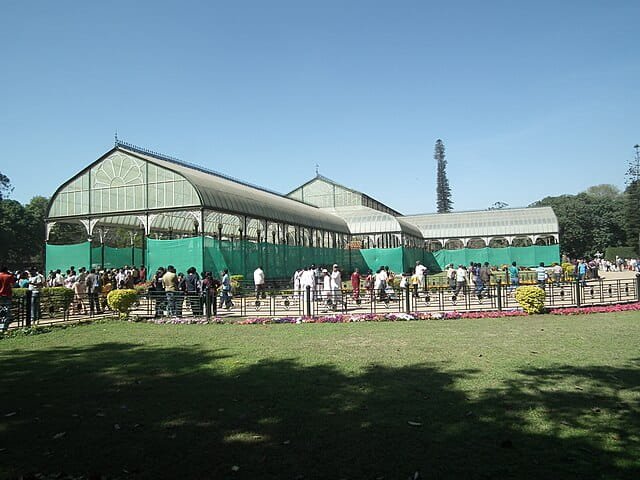
The Glass House at Lalbagh is one of Bengaluru’s most iconic structures — a Victorian-era greenhouse modeled after London’s Crystal Palace. It’s only fully accessible and decorated during the two annual flower shows (January and August).
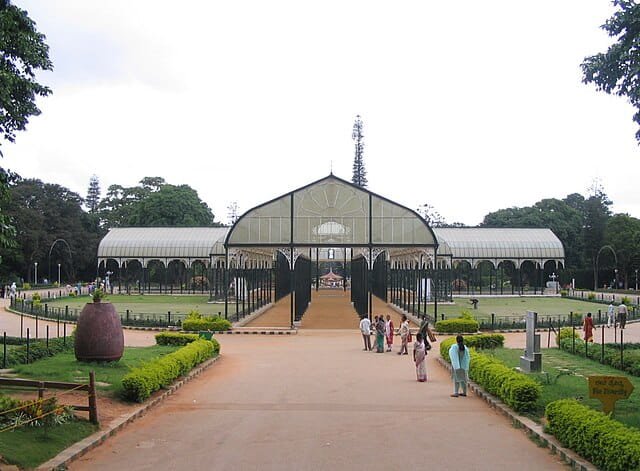
Outside of flower show periods, you can walk around it, but the interior exhibitions aren’t active. Plan accordingly.
Final Verdict: When Should YOU Visit?
- Best overall: October–February
- Best for flower shows: January (Republic Day) and August (Independence Day)
- Best for solitude and greenery: September or early October
- Best budget of time: Allocate at least 2–3 hours; serious plant lovers can spend a full morning easily
- Avoid: Midday visits in April and May
Lalbagh isn’t just a park. It’s a living archive of over two centuries of botanical curation, urban ecology, and the quiet persistence of nature inside a roaring city. Whatever month brings you there, you’ll find something worth your time.
Just bring your walking shoes and come early.