








Lalbagh Botanical Garden is one of the most famous gardens in India. It is located in the heart of Bengaluru and is loved by nature lovers, students, tourists, and photographers. Many regular visitors say that Lalbagh feels like a “living museum of trees” because you can see so many rare and old trees in one place.
This beautiful garden was started in the 18th century by Hyder Ali and later expanded by his son Tipu Sultan. They brought special plants and trees from different countries and planted them here. Because of this, Lalbagh has many exotic and uncommon trees that you may not see anywhere else in India.
Today, Lalbagh is not just a park for walking. It is an important botanical garden where rare trees are protected and studied. Students come here to learn about plants. Families come to enjoy the peaceful greenery. Photographers visit to capture beautiful flowers and huge tree trunks.
In this 2026 updated guide, you will see the full list of rare trees in Lalbagh Botanical Garden. You will also learn why these trees are special and where you can find them inside the garden. If you love nature, this guide will help you explore Lalbagh in a better way.
Why Lalbagh Botanical Garden is Famous for Rare Trees
Lalbagh Botanical Garden is famous for rare trees because it is not just a normal park. It is like a big open classroom for nature lovers. Many regular visitors say that when they walk inside Lalbagh, it feels like they are walking in a living museum of trees.
This garden is more than 250 years old. It was first started by Hyder Ali in the 18th century. Later, his son Tipu Sultan brought many special plants and trees from different countries. Because of this, Lalbagh has trees from Africa, South America, Europe, and many other places.
Some of these trees are very old and very rare. You cannot see them easily in other parks in India. For example, there are trees like Baobab, Cannonball Tree, and African Tulip Tree. These trees are special because they grow only in certain parts of the world.
Lalbagh is also important for science and education. Many students, teachers, and plant experts visit here to study different types of trees. The garden helps protect old and rare species so that they do not disappear.
Another reason Lalbagh is famous is because of the care taken by the Karnataka horticulture department. They protect the trees, label them with names, and maintain the garden very well.
In simple words, Lalbagh is famous for rare trees because:
- It is very old and historic
- It has trees from many countries
- It protects rare and special species
- It is important for education and research
That is why Lalbagh Botanical Garden is known as one of the most important botanical gardens in India.
Full List of Rare Trees in Lalbagh (2026 Updated)
Lalbagh Botanical Garden is like a big outdoor museum of trees. Many regular visitors say that when you walk inside, you feel like you are travelling around the world because trees from many countries grow here.
Below is the updated 2026 list of rare and special trees that you should not miss. The language is simple so everyone can understand and enjoy learning.
1. Cannonball Tree (Nagalinga Tree)
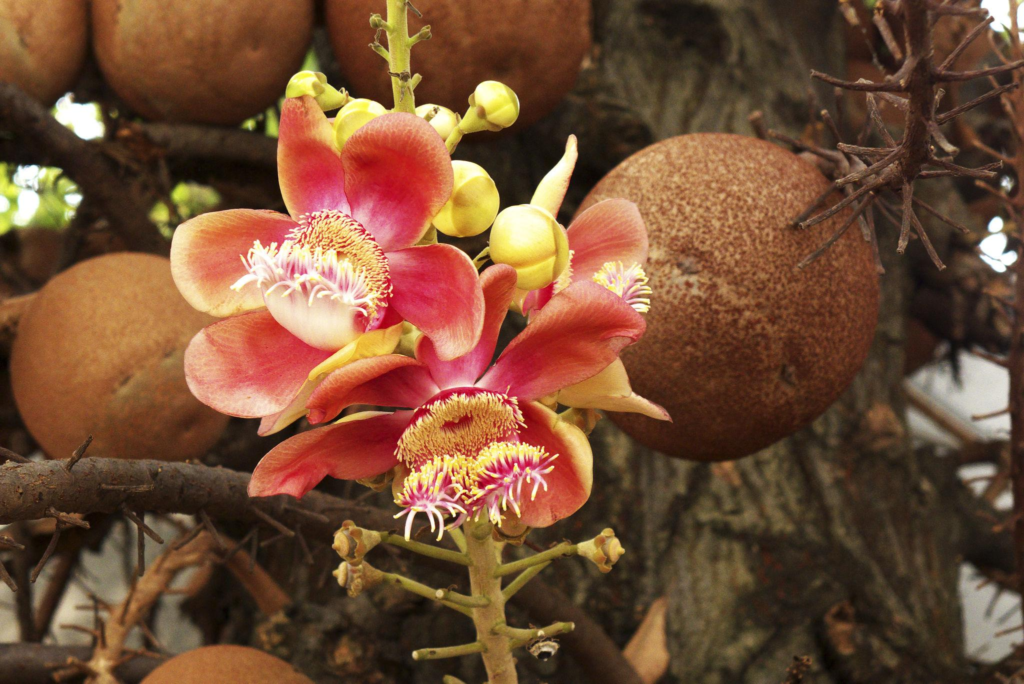
- Scientific name: Couroupita guianensis
- Native country: South America
This tree is very special because its flowers grow directly from the trunk. The flowers are big, pink and yellow, and they have a strong sweet smell. Many people call it the Nagalinga tree because the flower shape looks like a Shiva Lingam.
The fruits look like round brown balls, just like cannonballs. That is why it is called the Cannonball Tree.
Best time to see flowers: March to June
You can usually find it near the main walking paths.
2. Baobab Tree
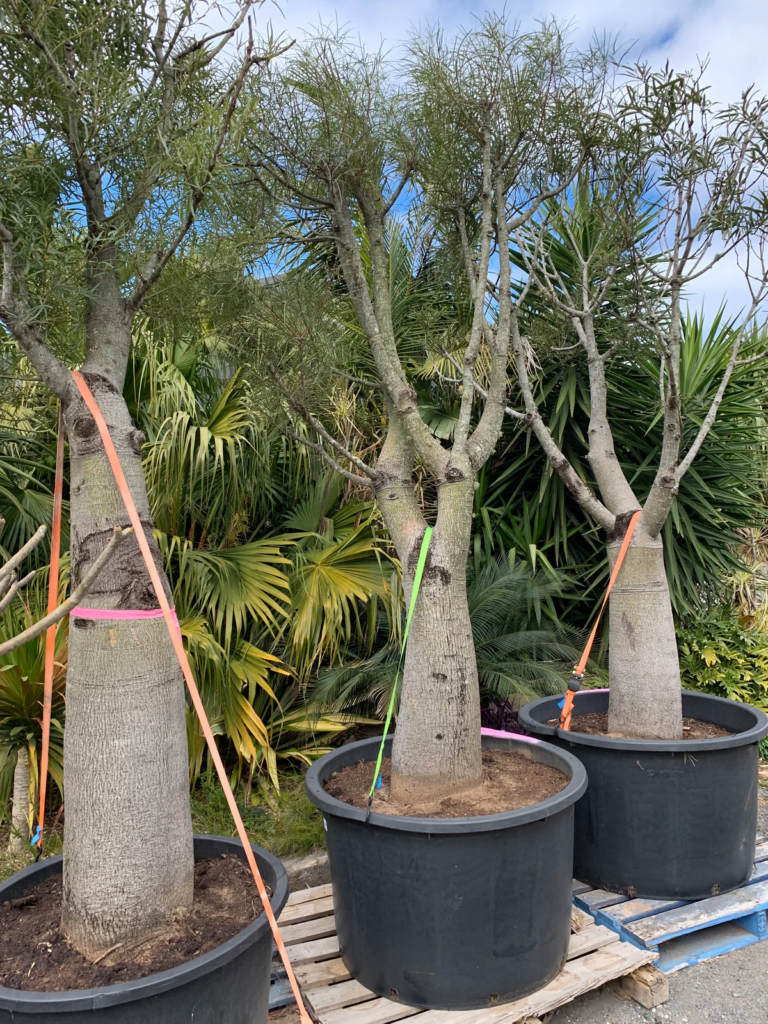
- Scientific name: Adansonia digitata
- Native country: Africa
This tree looks very different from normal trees. It has a very thick and wide trunk. Some people say it looks like a tree growing upside down.
The Baobab tree inside Lalbagh is believed to be very old. It is one of the most talked-about rare trees in the garden.
It stores water in its trunk.
It is very strong and can live for many years.
3. Silk Cotton Tree
- Scientific name: Bombax ceiba
- Common name: Red Silk Cotton Tree
This tall tree becomes very beautiful in spring. It grows bright red flowers before the leaves come out. When you look at it from far away, it looks like the tree is on fire because of the red flowers.
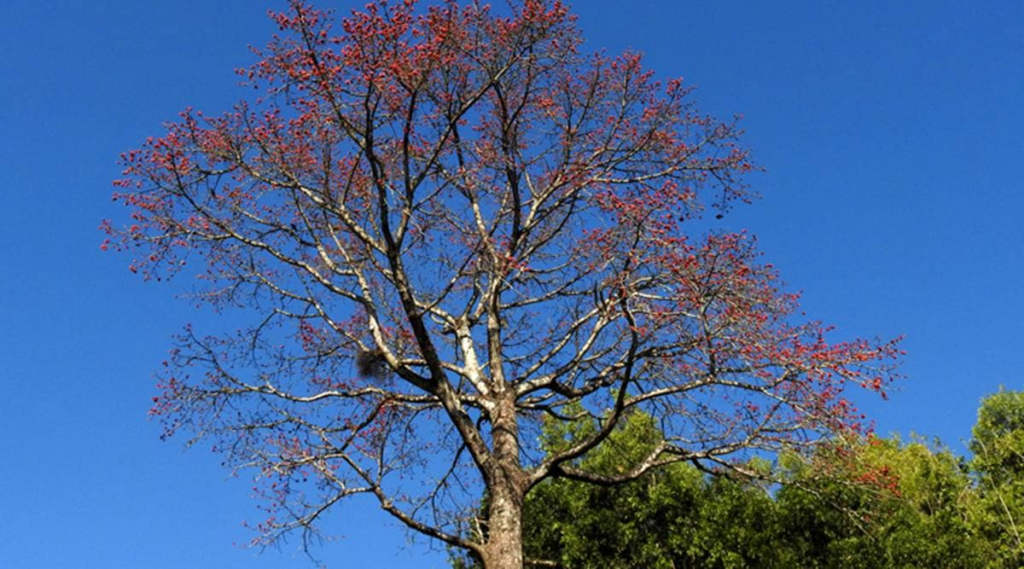
Later, soft cotton-like material comes out from its fruits. That is why it is called Silk Cotton Tree.
Best time to see it: February to April
4. African Tulip Tree
- Scientific name: Spathodea campanulata
- Native country: Africa
This tree is famous for its bright orange flowers. The flowers are big and look like tulips. When it blooms, the whole tree becomes very colorful.
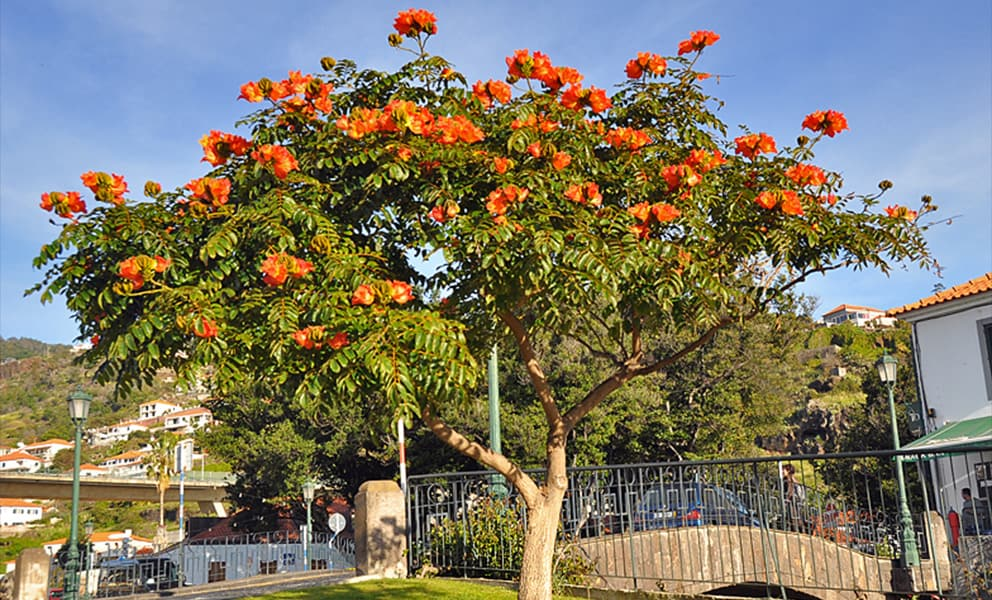
Many visitors stop to take photos near this tree because it looks so beautiful.
Flowering season: Mostly in spring and early summer
5. Rain Tree
- Scientific name: Samanea saman
- Common name: Monkey Pod Tree
This tree has a very wide umbrella shape. Its branches spread out very far and give a lot of shade. Many people sit under this tree to rest during their walk.
It is called Rain Tree because its leaves close during rain and at night.
It is one of the largest shade-giving trees inside Lalbagh.
6. Mahogany Tree
- Scientific name: Swietenia mahagoni
- Native country: Caribbean region
Mahogany trees are known for their strong and valuable wood. They grow tall and straight. These trees are not common everywhere, so seeing them inside Lalbagh is special.
7. Norfolk Island Pine (Araucaria)
- Scientific name: Araucaria heterophylla
- Native country: Norfolk Island (Australia region)
This tree looks like a Christmas tree because it has a neat triangular shape. It grows very straight and tall. Many visitors like its perfect shape.
8. Sandalwood Tree
- Scientific name: Santalum album
- Native to: India
Sandalwood trees are rare because they are protected. Their wood is very costly and has a nice fragrance. Lalbagh helps protect and grow these important trees.
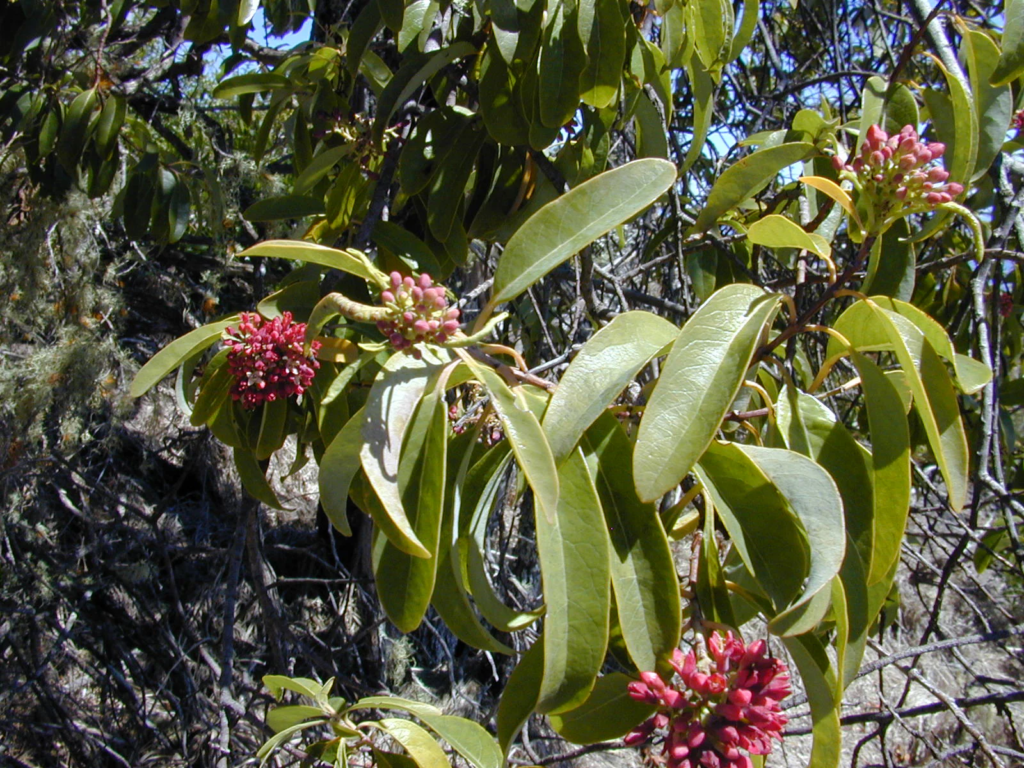
9. Jacaranda Tree
- Scientific name: Jacaranda mimosifolia
- Native country: South America
This tree produces light purple flowers. When the flowers fall on the ground, it looks like a purple carpet. It is very beautiful during blooming season.
10. Heritage Banyan Trees
- Scientific name: Ficus benghalensis
The Banyan trees inside Lalbagh are very old and spread widely. Their roots hang down from branches and touch the ground. These trees show the rich history of the garden.
Why These Trees Are Special in 2026
- They come from different countries.
- Some of them are more than 100 years old.
- They are protected and carefully maintained.
- Students and scientists study them for research.
When you visit Lalbagh in 2026, take your time and walk slowly. Look at the tree names on the boards. You will learn many new things.
Many regular visitors say that after learning about these rare trees, they start loving nature even more.
Where to Find These Rare Trees Inside Lalbagh Botanical Garden
If you are visiting Lalbagh to see rare trees, don’t worry. You do not need to search everywhere. Most rare trees are located in well-known areas inside the garden. Here is a simple guide that anyone can follow easily.
1. Near the Glass House
Glass House Lalbagh is one of the most famous spots in Lalbagh. Many visitors first come here because flower shows are held in this building.
Around the Glass House, you can find:
- Cannonball Tree (Nagalinga Tree)
- African Tulip Tree
- Some old heritage trees
Many regular visitors say that this area is best for seeing flowering trees, especially during February and August flower shows. The trees here are well maintained and easy to spot.
2. Around Lalbagh Lake
Lalbagh Lake is a peaceful place inside the garden. If you walk around the lake path, you will see large and tall trees.
Here you may find:
- Rain Trees with big umbrella-shaped branches
- Silk Cotton Trees
- Old Banyan trees
This area is very good for photography. Early morning is the best time because the weather is cool and the light is soft.
3. Near the Bonsai Garden
Bonsai Garden Lalbagh is a small but interesting section. It is famous for miniature trees.
Around this area, you can also see:
- Rare ornamental trees
- Exotic species planted for study
- Some special collection trees
If you love plants and want to learn more, this area is quiet and less crowded.
4. Along the Main Walking Paths
Many rare trees are planted along the wide walking roads inside Lalbagh. These paths connect the main gates, Glass House, and lake.
While walking, look at:
- Name boards near trees
- Scientific names written on small plates
- Big, unusual tree trunks
Some trees like the Baobab are very large and easy to notice because of their thick trunk.
5. Best Entry Gates to Start Your Visit
If you want to save time, you can enter through:
- The Main Gate near Double Road (easiest access to Glass House)
- The Lake-side entrance (good for seeing Rain Trees first)
Starting from these gates makes it simple to cover most rare trees without getting confused.
Best Time to See Rare Trees in Lalbagh Botanical Garden
If you want to see rare trees in Lalbagh at their best, you should visit in the right season. Some months are more beautiful because many trees have flowers and fresh leaves.
February to April – Best for Flowers
This is the best time to see rare trees in Lalbagh.
- Many trees start blooming.
- You can see bright red, orange, pink, and yellow flowers.
- Trees like the Silk Cotton Tree and African Tulip Tree look very colorful.
- The weather is also pleasant. It is not too hot.
Many regular visitors say that this time feels like a natural flower show inside the garden.
🌧️ June to September – Green and Fresh
During the rainy season:
- The garden looks very green.
- Leaves look fresh and shiny.
- Big trees like the Rain Tree look very beautiful.
But sometimes it may rain, so carry an umbrella.
October to January – Cool and Comfortable
This is also a good time to visit.
- The weather is cool and nice.
- It is perfect for walking and taking photos.
- Some trees may not have flowers, but the garden still looks peaceful.
Best Time of the Day
No matter which month you visit, try to go:
- Early morning (6:00 AM – 9:00 AM)
- The air is fresh.
- The garden is less crowded.
- You can take better photos of rare trees.
Why These Rare Trees Are Important
Rare trees in Lalbagh Botanical Garden are not just big and beautiful plants. They are very special and important for many reasons. Let us understand in simple words.
They Help Nature Stay Healthy
Trees give us oxygen to breathe. Rare trees also clean the air by taking in carbon dioxide. In a busy city like Bengaluru, this is very important. These trees help reduce pollution and keep the air fresh.
They also give shade and make the place cool. When you walk inside Lalbagh, you feel fresh and relaxed. That is because these big trees help control temperature.
They Protect Different Living Creatures
Many birds, insects, and small animals live on these trees. Some birds build nests on tall branches. Butterflies sit on flowers. Bees collect nectar.
If rare trees disappear, many small creatures will lose their homes. So protecting these trees means protecting wildlife too.
They Save Plant History
Some trees in Lalbagh are very old. They were planted hundreds of years ago during the time of Hyder Ali and Tipu Sultan.
These trees are like living history books. They tell us how plants were brought from other countries and grown in India. Losing them would mean losing a part of history.
They Help Students and Scientists
Many students visit Lalbagh to learn about plants. Rare trees help them study:
- Different plant species
- How trees grow
- How plants adapt to new climates
Scientists also study these trees for research. Some rare trees may have medicinal value or special qualities that can help people in the future.
They Increase Biodiversity
Biodiversity means having many different types of plants and animals in one place. Lalbagh has trees from Africa, South America, and many other countries.
Having many types of trees makes the garden special and strong. If one type of tree gets sick, others can still survive. This balance keeps nature safe.
They Inspire People to Love Nature
When visitors see huge Baobab trees or colorful flowering trees, they feel happy and amazed. Many regular visitors say that walking among rare trees makes them feel peaceful.
These trees teach us to respect nature and take care of the environment.
Visitor Tips for Tree Lovers (2026 Guide)
If you love trees and plants, visiting Lalbagh Botanical Garden will feel like a dream. But to enjoy it fully, you should follow some simple tips. These tips will help you have a happy and safe visit in 2026.
1. Visit Early in the Morning
Morning time is the best time to see rare trees.
- The weather is cool and fresh.
- Birds are active and singing.
- The garden is less crowded.
- You can take better photos in soft sunlight.
Many regular visitors say that early morning walks in Lalbagh feel peaceful and relaxing.
2. Choose the Right Season
Some rare trees look more beautiful during flowering season.
- February to April – Best for colorful flowers
- June to September – Green and fresh during monsoon
- Winter months – Good weather for long walks
If you want to see trees like the Cannonball Tree or African Tulip Tree in bloom, plan your visit during flowering time.
3. Follow Photography Rules
Lalbagh is perfect for photography. But remember:
- Do not climb trees for photos.
- Do not break branches.
- Avoid using flash very close to flowers.
- Use mobile or camera politely without disturbing others.
Respect nature while taking pictures.
4. Do Not Touch or Damage Rare Trees
Rare trees are very old and special.
- Do not pluck flowers or leaves.
- Do not scratch names on tree trunks.
- Do not collect seeds.
- Do not climb on roots.
These trees are protected. If we take care of them, future generations can also enjoy them.
5. Wear Comfortable Shoes
Lalbagh is very big. You may walk a lot.
- Wear sports shoes or comfortable sandals.
- Carry a water bottle.
- Wear a cap during sunny days.
Walking comfortably will help you enjoy every corner of the garden.
6. Use a Garden Map
Lalbagh has many walking paths.
- You can get a map near the entrance.
- Ask security or staff for directions.
- Rare trees are located near the Glass House, Lake area, and Bonsai Garden.
A map helps you find special trees easily.
7. Join a Guided Walk (If Available)
Sometimes guided tours are available.
- Guides explain history of trees.
- You learn scientific names and origins.
- It becomes more interesting and educational.
This is very helpful for students and plant lovers.
8. Keep the Garden Clean
Lalbagh is beautiful because it is clean.
- Do not throw plastic or food waste.
- Use dustbins.
- Respect rules and other visitors.
When everyone keeps the garden clean, it stays green and beautiful.
Read Also; Lalbagh Morning Walk Pass 2026 – Fees, Rules & Timings
FAQs – Rare Trees in Lalbagh Botanical Garden (2026)
1. Which is the oldest tree in Lalbagh?
One of the oldest trees in Lalbagh Botanical Garden is the famous Baobab tree. Many regular visitors say that this tree looks very big and different from other trees. It is believed to be more than 100 years old. Some experts even say it could be much older. Its thick trunk makes it easy to recognize.
2. Is the Baobab tree inside Lalbagh more than 100 years old?
Yes, most people believe the Baobab tree in Lalbagh is more than 100 years old. This tree originally comes from Africa. It was planted many years ago when foreign plants were brought to India. Today, it is one of the rare and special trees in the garden.
3. Can visitors touch or collect seeds from rare trees?
No, visitors should not collect seeds, leaves, or flowers from rare trees. These trees are protected. They are important for nature and research. Touching them too much or plucking parts of the tree can harm them. It is always better to look, take photos, and enjoy without disturbing the trees.
4. What is the best season to see flowering rare trees in Lalbagh?
The best time to see flowering trees is from February to April. During this time, many trees bloom with bright and colorful flowers. The garden looks very beautiful in spring. Early morning is also a good time to visit because the weather is cool and peaceful.
5. Is there a map available to find rare trees easily?
Yes, you can find maps near the entrance gates of Lalbagh. Some maps show important areas like the Glass House, lake, and main walking paths. You can also ask staff members for help. They guide visitors to famous and rare trees inside the garden.
Final Thoughts
Rare trees in Lalbagh Botanical Garden are like living treasures. Some of these trees came from faraway countries many years ago. Some are very old and have seen hundreds of seasons. When you walk inside Lalbagh, it feels like you are walking inside a big, green history book.
Many regular visitors say that every time they visit Lalbagh, they discover something new. One day you may notice bright red flowers on a tall tree. Another day you may see a huge trunk that looks different from normal trees. That is the beauty of Lalbagh — it always surprises you.
These rare trees are not just beautiful. They are also very important for nature. They help birds, insects, and small animals. They give us fresh air and cool shade. They also help scientists and students learn more about plants from different parts of the world.
When you visit Lalbagh in 2026, take your time. Walk slowly. Read the tree name boards. Do not pluck flowers or damage the plants. Respect the garden rules. Small actions from visitors help protect these rare trees for many more years.
If you love nature, Lalbagh is a place you should visit at least once. It is peaceful, green, and full of amazing trees. And who knows? You might find your new favorite tree there.