







Imagine stepping into a world where ancient trees stand no taller than your knee, yet radiate centuries of calm. That’s exactly what the Bonsai Garden inside Lalbagh Botanical Garden in Bangalore feels like — a quiet pocket of wonder tucked into one of India’s most beloved green spaces.
Whether you’re a plant enthusiast, a curious traveller passing through Bangalore, or someone who just wants a peaceful morning away from city traffic, the Bonsai Garden is a genuinely special place. It’s not very large, but what it lacks in size it more than makes up for in character.
In this guide, we’ll walk you through everything — visiting hours, how to get there, what to see, photography tips, and the kind of insider knowledge that only a repeat visitor would know. Let’s get into it.
What Is the Bonsai Garden in Bangalore?
The Bonsai Garden is a dedicated section within Lalbagh Botanical Garden, one of South India’s most iconic horticultural landmarks. Sprawling across 240 acres in the heart of Bengaluru, Lalbagh was originally commissioned by Hyder Ali in the 1760s and expanded by his son Tipu Sultan. It’s now maintained by the Karnataka government’s Horticulture Department.
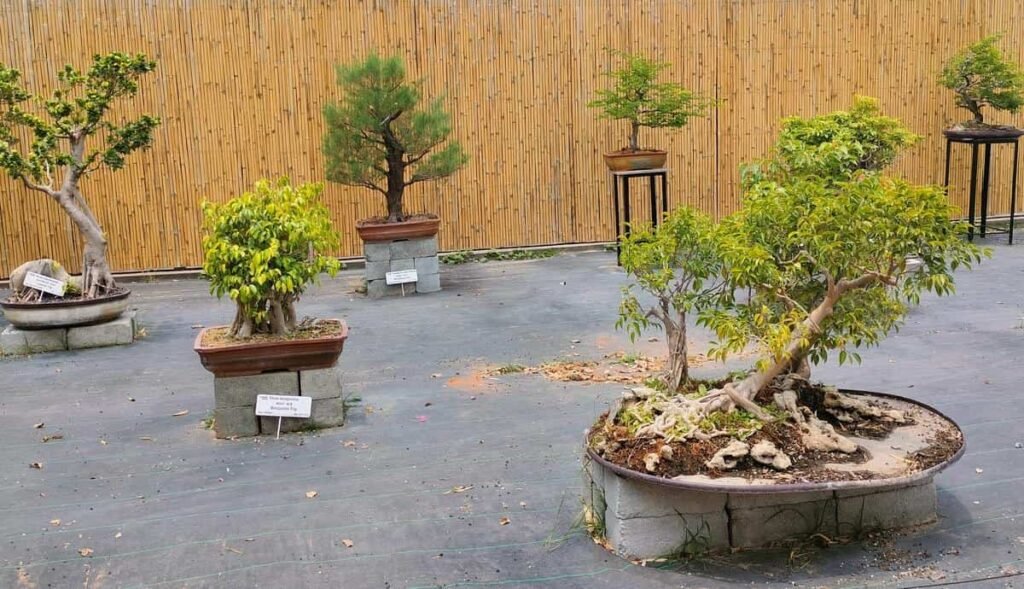
Within this vast garden, the Bonsai section stands out as a specialized exhibit. It houses a carefully curated collection of miniature trees — some of which are decades old — cultivated using traditional Japanese and Chinese bonsai techniques adapted to India’s tropical climate.
The collection includes a wide range of native and exotic species, from Ficus and Banyan trees to Bougainvillea, Tamarind, and Adenium. Many visitors are surprised to find Indian staples like the Peepal and Neem shaped into delicate bonsai forms — a testament to how versatile this ancient art can be.
Bonsai Garden Bangalore: Timings, Entry Fee & Key Details (2026)
Opening Hours
The Bonsai Garden is accessible as part of Lalbagh Botanical Garden, which is open every day of the week. The garden gates open at 6:00 AM and close at 7:00 PM. There are no separate timings for the Bonsai section — once you’re inside Lalbagh, it’s freely accessible during general garden hours.
Best time to visit: Early morning between 6:30 AM and 9:00 AM, when the light is soft, temperatures are pleasant, and crowds are thinner.
Entry Fee (2026)
- Adults (Indian nationals): ₹20 per person
- Children (below 12 years): Free entry
- Foreign nationals: ₹200 per person
- Photography: No additional fee for personal cameras; professional/commercial photography may require a permit from the garden office
The entry fee covers the entire Lalbagh complex, including the Glass House, Kempegowda Tower, lake area, and of course the Bonsai Garden. Considering the scale of what’s on offer, it’s arguably Bangalore’s best value day out.
How to Reach the Bonsai Garden, Bangalore
Lalbagh has four main entry gates — the South Gate (on Lalbagh Road), the North Gate (near Mavalli), the East Gate, and the West Gate. The Bonsai Garden is most conveniently accessed from the South Gate or the East Gate.
By Metro
The nearest Namma Metro station is South End Circle on the Green Line. From there, it’s about a 10-minute walk to the South Gate of Lalbagh. This is the most stress-free option during peak hours and avoids parking headaches entirely.
By Auto or Cab
Autos and Ola/Uber cabs are plentiful in Bangalore. Simply ask to be dropped at “Lalbagh South Gate” — it’s a widely recognized landmark. Expect a short, manageable ride from most central Bangalore neighbourhoods.
By Own Vehicle
Parking is available near all four gates, though it fills up quickly on weekends. Arriving before 8:00 AM almost guarantees a spot. The garden is located on Lalbagh Road, Mavalli, Bengaluru — Karnataka 560004.
What to See: Highlights of the Bonsai Collection
Walking through the Bonsai Garden feels meditative. The trees are arranged on tiered display shelves and pedestals, each one carefully labelled with its species name, age, and style. Here’s what stands out:
The Ancient Ficus Collection
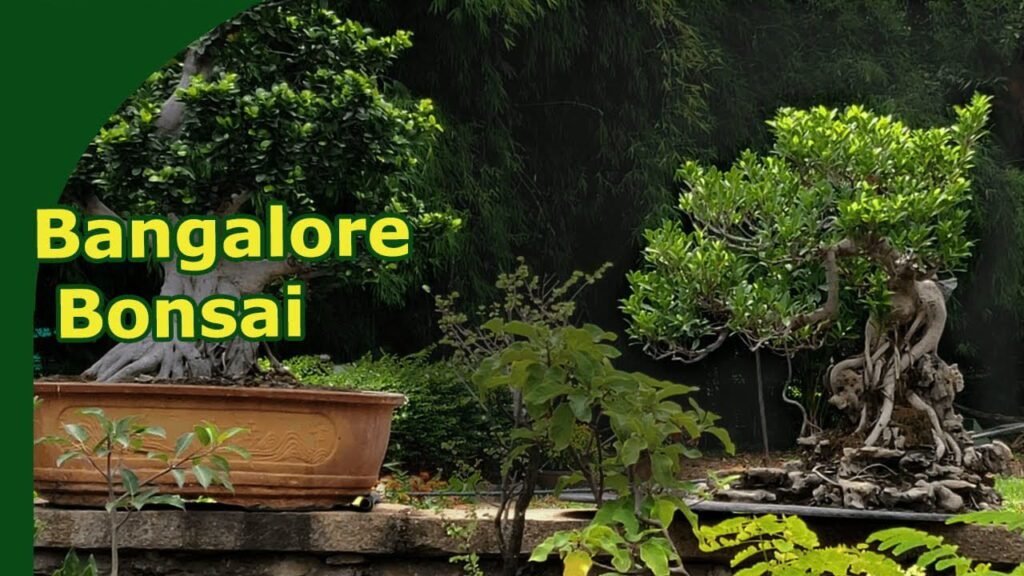
The Ficus species — particularly Ficus religiosa (the Sacred Fig or Peepal) and Ficus benghalensis (Banyan) — form the centrepiece of the collection. Some of these specimens are over 50 years old, their gnarled roots and twisted trunks telling a story that words simply can’t do justice to.
Flowering Bonsai — A Seasonal Spectacle
If you visit between October and February, you’re likely to catch Bougainvillea and Adenium bonsai in full bloom. The contrast of vivid pink and crimson blooms against a miniaturised trunk is genuinely breathtaking. These are popular subjects for photographers and artists.
The Tropical Tamarind Bonsai
Seeing a Tamarind tree — a species known for its massive canopy in the wild — pruned and shaped into a delicate miniature form is a genuinely surreal experience. The Lalbagh collection includes several Tamarind bonsai that are among the most photographed specimens in the garden.
Best Time of Year to Visit
Bangalore’s climate is famously agreeable throughout the year, earning it the nickname “Garden City” for good reason. However, different seasons offer different experiences at the Bonsai Garden.
October to February (Ideal Season)
This is peak season for a reason. Temperatures range between 15°C and 27°C, the air is clear after the monsoon, and many flowering species are at their best. The garden is lush and the bonsai displays are at their most vibrant.
March to May (Pre-Monsoon Heat)
It gets warmer, with temperatures touching 34°C–36°C in April and May. Early morning visits (before 9 AM) are highly recommended. The garden is less crowded, which makes for better photography.
June to September (Monsoon Season)
The rains bring the entire Lalbagh complex to life. The Bonsai section looks particularly gorgeous against a misty backdrop. Carry a light raincoat and waterproof shoes — paths can get slippery.
Photography Tips for the Bonsai Garden
The Bonsai Garden is a photographer’s dream, whether you’re shooting with a professional DSLR or just your phone. Here are tips that will genuinely improve your shots:
- Shoot in the golden hour (6:30–8:00 AM) for warm, directional light that highlights trunk textures beautifully.
- Get low. Many of the best bonsai shots are taken at eye level with the tree — crouch down and shoot upward slightly to emphasize height and structure.
- Look for negative space. Let the sky or a plain background serve as a clean backdrop; clutter kills bonsai photos.
- Use portrait mode (or a wide-aperture lens) to blur the background and draw focus to the miniature tree.
- After rain is magic — water droplets on leaves and branches add incredible detail and atmosphere.
Bonsai Art: A Quick Expert Insight
Bonsai (pronounced “bone-sigh”) is derived from the Japanese rendering of the Chinese term “penzai” — literally meaning “planted in a container.” The practice dates back over a thousand years, with roots in Chinese horticulture before being refined in Japan into the meditative art form we know today.
What makes a bonsai remarkable isn’t just its size — it’s the intentionality behind every branch, every curve, every root. Trained horticulturalists use techniques like pruning, wiring, and repotting to guide a tree’s growth over years and decades. The goal is to create the illusion of a full-grown tree in miniature, while maintaining the tree’s natural vitality.
India’s tropical climate actually supports bonsai cultivation particularly well. Species that thrive as bonsai in Bangalore include Ficus, Bougainvillea, Wrightia, Murraya, and various fruit-bearing trees. The challenge — and the artistry — lies in managing vigorous tropical growth while maintaining form.
Read Also: The History of Lalbagh Garden: From Hyder Ali to the Present Day
Nearby Attractions to Pair With Your Visit
Since you’re already at Lalbagh, it would be a shame not to explore more of what’s on offer. Here’s what’s worth your time inside and just outside the garden:
Inside Lalbagh
- The Glass House – Modelled after London’s Crystal Palace, it hosts stunning flower shows twice a year (Republic Day and Independence Day).
- Kempegowda Tower – A watchtower built on one of Bangalore’s four original boundary stones, offering panoramic views.
- Lalbagh Lake – A serene lake in the centre of the garden, ideal for quiet reflection or birdwatching.
- The Fossil Tree – A 3,000-year-old fossilised tree trunk that most visitors walk right past. Don’t miss it.
Near Lalbagh
- Mavalli Tiffin Rooms (MTR) – One of Bangalore’s most legendary South Indian restaurants, a 5-minute walk from the South Gate. The masala dosa here is genuinely world-class.
- Lalbagh Road’s flower market – A vibrant street market where vendors sell fresh flowers, plants, and garden supplies every morning.
- Jacaranda and Silk Cotton trees on Lalbagh Road – In season, these trees turn the road into a purple and crimson boulevard.
Practical Tips Before You Go
- Wear comfortable footwear — the garden paths are uneven in places, especially after rain.
- Carry water. There are a few vendors inside but bringing your own bottle is smarter, especially in summer.
- Weekdays are significantly quieter than weekends. If you have flexibility, Tuesday to Thursday mornings are ideal.
- The garden attracts a lot of school groups and families on Sundays, which adds energy but also noise and crowds.
- Photography is encouraged for personal use, but avoid touching or handling any bonsai — these are living artworks that take years to cultivate.
- Download the Lalbagh map beforehand (or pick one up at the gate) — the garden is large and the Bonsai section isn’t always well-signposted.
Is the Bonsai Garden Worth Visiting in 2026?
Absolutely — and without hesitation. In a city that’s changed as rapidly as Bangalore has over the last two decades, places like Lalbagh and its Bonsai Garden feel increasingly precious. There’s something profoundly grounding about standing next to a tree that’s been carefully tended for half a century.
The entry fee is negligible. The experience is genuine. And on a quiet weekday morning, with the mist still hovering above the lake and the birds calling overhead, the Bonsai Garden offers a kind of stillness that most cities simply can’t provide.
Whether you stay 20 minutes or two hours, you’ll leave having seen something a little extraordinary. That’s rare enough to make it worth the trip.
Quick Reference: Bonsai Garden Bangalore at a Glance
- Location: Lalbagh Botanical Garden, Mavalli, Bengaluru – 560004
- Timings: 6:00 AM – 7:00 PM (daily)
- Entry Fee: ₹20 (Indians) | ₹200 (Foreign nationals) | Free for children under 12
- Best Season: October to February
- Nearest Metro: South End Circle (Green Line)
- Parking: Available at all four gates (arrive early on weekends)
- Photography: Allowed (personal use)
- Ideal Visit Duration: 1.5 to 3 hours (for the full Lalbagh experience)