







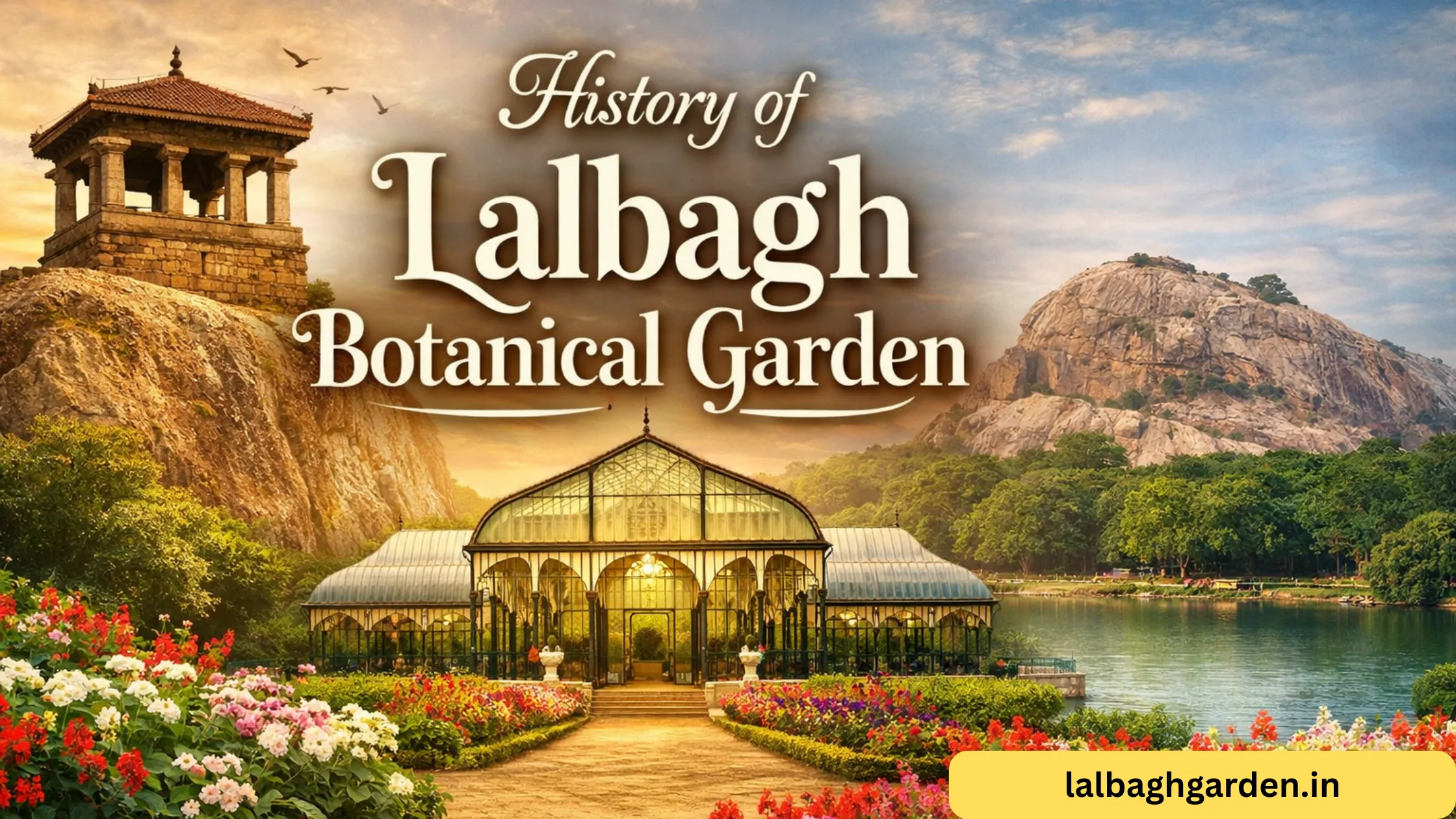
Lalbagh Botanical Garden is one of the most famous and oldest gardens in Bengaluru. It is located in Mavalli area of Karnataka and is known as the “green heart” of the city. When people think about nature in Bengaluru, they often think about Lalbagh first. Many regular visitors say that a walk inside Lalbagh feels calm, fresh, and peaceful.
The history of Lalbagh Botanical Garden is very interesting. It was started more than 250 years ago. This garden has seen kings, rulers, British officers, and modern-day India. Over time, it has grown from a royal garden into a large public botanical garden that everyone can enjoy.
Lalbagh is not just a park where people go for walking. It is a place full of history, rare plants, old trees, and beautiful buildings like the famous Glass House. The garden has plants from many different countries. Some trees inside Lalbagh are hundreds of years old. There is also a very ancient rock that is believed to be millions of years old.
Today, Lalbagh Botanical Garden is spread across about 240 acres. It is managed by the Government of Karnataka and is one of the most important horticultural centers in India. Every year, thousands of visitors come here to enjoy flower shows, take photos, and learn about plants.
In this article, we will explore the complete history of Lalbagh Botanical Garden. From its beginning during the time of Mysore rulers to its importance in modern Bengaluru, you will learn the full story in a simple and easy way.
Who Built Lalbagh Botanical Garden?
Lalbagh Botanical Garden was first built by Hyder Ali in the year 1760. He was the ruler of the Kingdom of Mysore. Hyder Ali loved nature and beautiful gardens. He wanted to create a big garden in Bengaluru where rare and special plants could grow. He got the idea from Mughal gardens, which were famous for their neat design and colorful flowers.
Hyder Ali started the garden on a large piece of land in the southern part of Bengaluru, which is now called Mavalli. He brought many different plants and seeds from other countries like Afghanistan and Persia. At that time, it was very difficult to bring plants from faraway places, but he wanted Lalbagh to be special. Slowly, the garden began to grow and became known for its rare trees and flowers.
After Hyder Ali, his son Tipu Sultan continued his father’s work. Tipu Sultan also loved plants and gardening. He made Lalbagh even bigger and better. He brought more plants from countries like Turkey, Mauritius, and France. Because of his efforts, Lalbagh became one of the most beautiful royal gardens in India.
Many regular visitors say that Lalbagh feels like a place where history and nature meet together. What started as a royal garden by Hyder Ali and Tipu Sultan has now become one of the most famous botanical gardens in India. Their love for plants and nature is the main reason Lalbagh is still green and beautiful today.
Lalbagh During British Rule
After the death of Tipu Sultan in 1799, the British took control of Mysore. Slowly, Lalbagh also came under British management. This period changed the garden in many important ways.
During British rule, Lalbagh was no longer just a royal garden. It started becoming a scientific botanical garden. The British wanted to study plants, grow useful crops, and improve farming in India. So, they appointed trained experts to look after the garden.
One of the most important officers was John Cameron. He became the Superintendent of Lalbagh in 1874. Many regular visitors say that Lalbagh looks beautiful today because of the improvements made during his time. He worked very hard to organize the garden properly. He planted many new trees, arranged plant sections neatly, and improved the overall design.
Introduction of New Plant Species
The British brought many plants from different parts of the world. These included:
- Tropical fruit trees
- Ornamental flowering plants
- Shade-giving trees
- Medicinal plants
They also started plant nurseries, where young plants were grown and later distributed to farmers and other gardens. This helped improve agriculture in South India.
Focus on Research and Education
During this time, Lalbagh became an important center for:
- Plant research
- Seed testing
- Studying soil and crops
- Teaching modern gardening methods
It was no longer just a place for kings to relax. It became a place where science and nature worked together.
Construction of the Glass House
In 1889, the famous Glass House was built inside Lalbagh. It was inspired by London’s Crystal Palace. This beautiful structure later became the main venue for flower shows, which are still held today.
Overall Impact of British Rule
The British period made Lalbagh more organized and scientific. They improved plant collection, introduced research activities, and developed it into one of India’s most important botanical gardens.
Even today, when we walk inside Lalbagh, we can see the strong influence of the changes made during British rule. It helped turn Lalbagh into the historic and educational garden we know today.
Construction of the Famous Glass House
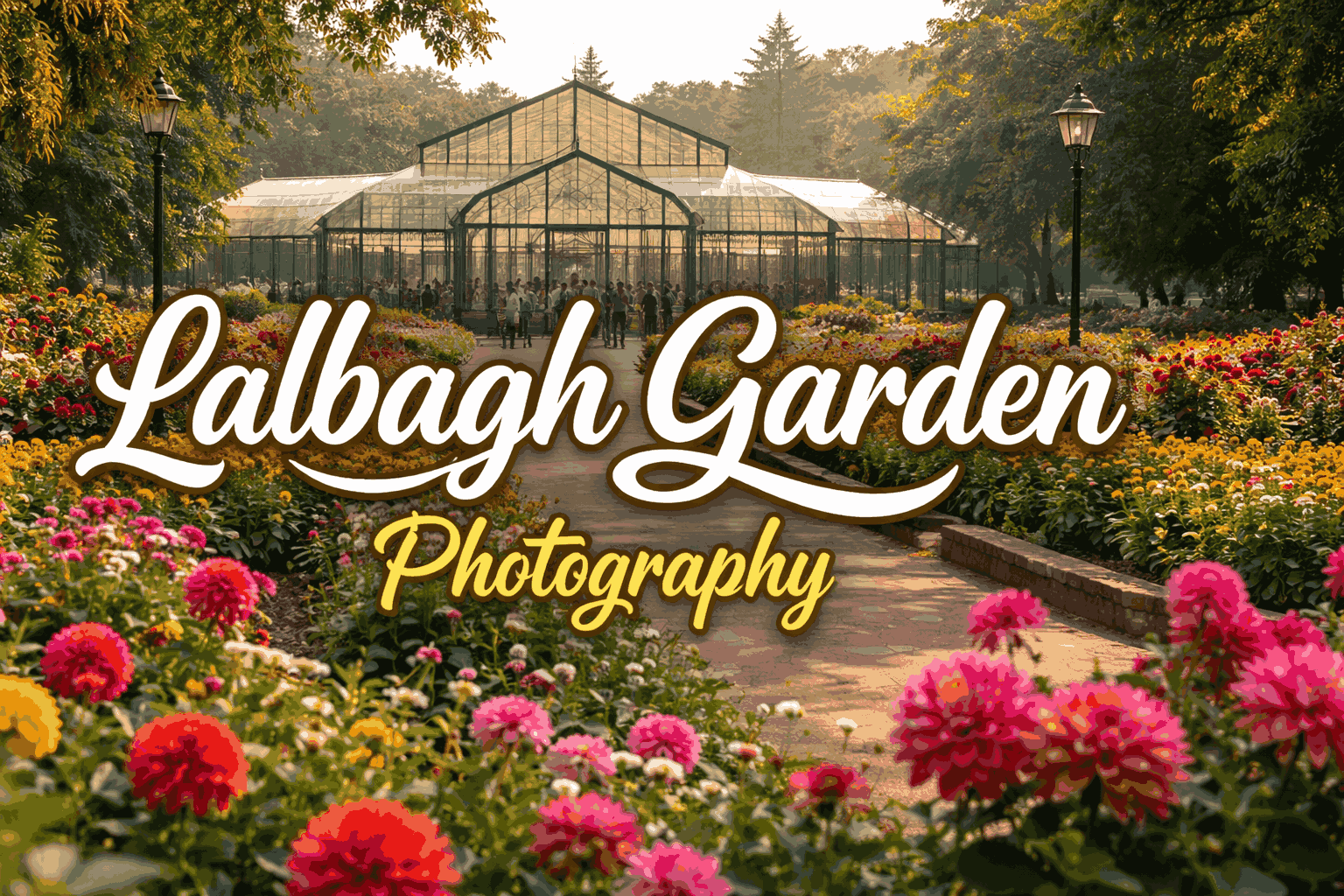
One of the most beautiful parts of Lalbagh Botanical Garden is the Glass House. It is the main attraction inside the garden. Many visitors come especially to see this grand building.
The Glass House was built in the year 1889 during British rule. It was inspired by the famous Crystal Palace in London. The Crystal Palace was made of glass and iron, and it looked very modern for its time. The British officers in India wanted to build something similar in Lalbagh. So, they designed the Glass House using iron pillars and large glass panels.
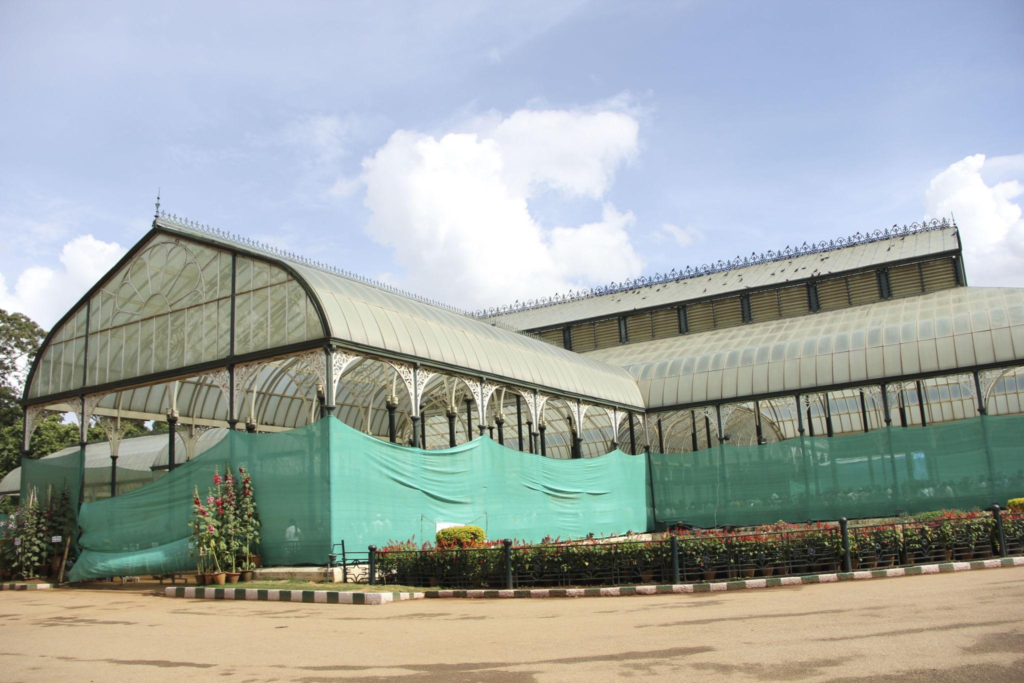
The building was constructed under the supervision of British officials who were managing Lalbagh at that time. It was specially made to display beautiful flowers and plants. Even today, the structure looks elegant and royal.
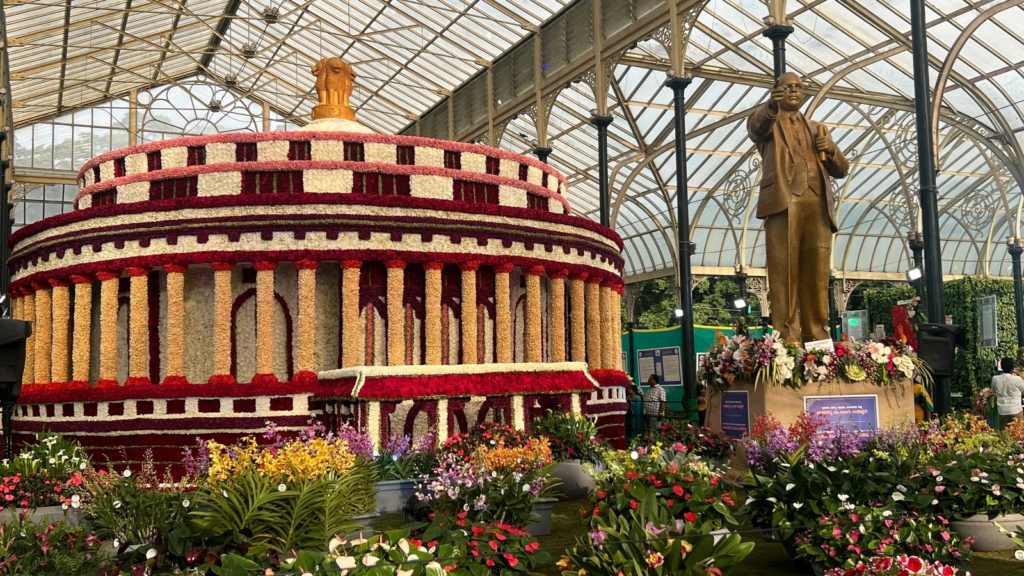
The Glass House is most famous for the Lalbagh Flower Show. This flower show is held twice every year — once on Republic Day (January 26) and once on Independence Day (August 15). During the show, thousands of colorful flowers are arranged in creative designs inside the Glass House. Many regular visitors say that the flower show inside the Glass House feels magical.
At night, when lights are turned on, the Glass House looks even more beautiful. The glass walls shine, and the whole building glows softly. It becomes a perfect spot for taking photos.
Today, the Glass House is not just a building. It is a symbol of Lalbagh’s history and beauty. It connects the past and present, and it remains one of the most loved landmarks in Bengaluru.
Lalbagh After Indian Independence
After India became independent in 1947, Lalbagh Botanical Garden came under the care of the Government of Karnataka. The garden was no longer used by kings or the British officers. It became a public garden for everyone. Families, students, tourists, and morning walkers all started visiting regularly.
The government worked hard to protect the old trees and rare plants inside Lalbagh. Many regular visitors say that the garden started looking more organized and clean over the years. Proper walking paths, benches, and signboards were added so people could easily explore and learn about different plants.
Lalbagh also became an important center for plant research and education. Experts study different types of trees, flowers, and medicinal plants here. The garden helps in growing and protecting rare plant species. This makes Lalbagh not just a park, but also a place for learning.
One of the biggest attractions after Independence is the famous Flower Show held every year inside the Glass House. Special flower shows are organized during Republic Day (January 26) and Independence Day (August 15). These events attract thousands of visitors from Bengaluru and other parts of India.
Today, Lalbagh is known as the green heart of Bengaluru. It is a peaceful place where people come to relax, exercise, take photos, and enjoy nature. Even after many years, the history and beauty of Lalbagh are still carefully protected for future generations.
Rare Trees and Historical Monuments Inside Lalbagh
Lalbagh is not just a garden with flowers. It is also a place full of history and very old natural treasures. When you walk inside Lalbagh, you will see rare trees, ancient rocks, and old monuments. Many regular visitors say that every corner of Lalbagh has a story from the past.
Let us understand these special places in simple words.
Lalbagh Rock – One of the Oldest Rocks in the World
The most amazing thing inside Lalbagh is the Lalbagh Rock.
This rock is about 3,000 million years old. That means it is older than dinosaurs! It is one of the oldest rock formations on Earth.
There is a small hill made of this rock. When you climb up, you can see a beautiful view of Bengaluru city. Many people go there in the morning to watch the sunrise. It is peaceful and calm.
This rock makes Lalbagh very special because not many places in the world have something so old.
Kempegowda Tower – A Piece of Bengaluru’s History
On top of Lalbagh Rock, you will see a small tower called the Kempegowda Tower.
This tower was built by Kempe Gowda I, the founder of Bengaluru.
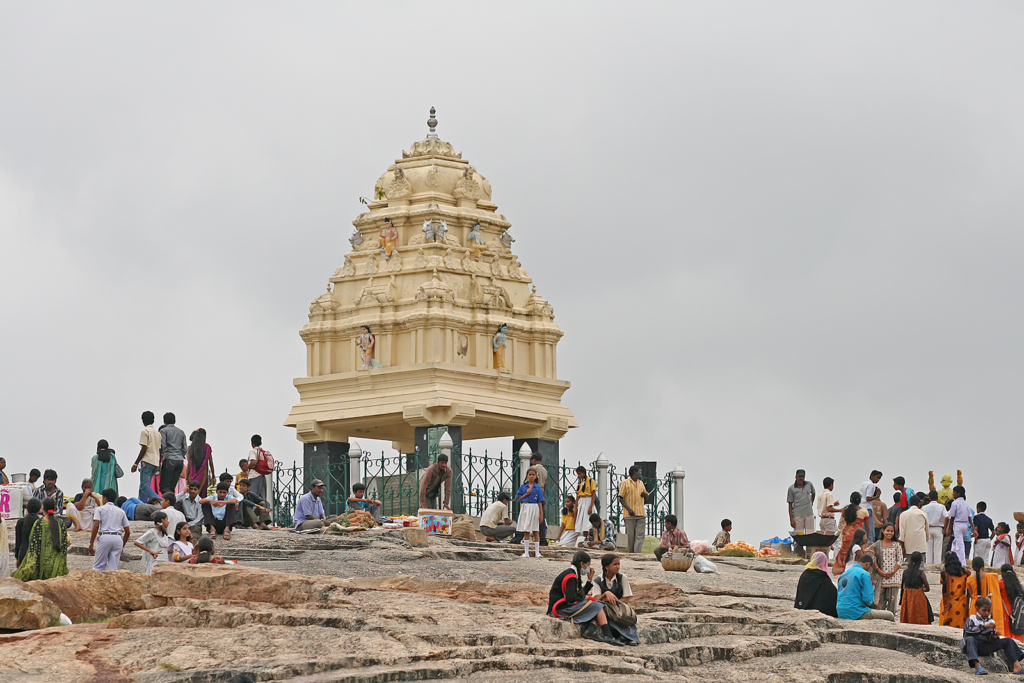
Long ago, Kempegowda built four towers around the city to mark its boundaries. The one inside Lalbagh is one of them. It shows how small Bengaluru was in the old days.
Today, the tower reminds us of the city’s history and how it has grown over time.
Rare and Exotic Trees in Lalbagh
Lalbagh has more than 1,800 species of plants and trees. Some trees here are very rare and come from other countries.
Many of these trees were brought by Hyder Ali and later by Tipu Sultan. They imported plants from places like Persia, Afghanistan, and Mauritius.
Some trees in Lalbagh are more than 100 years old. Their trunks are very thick, and their branches spread wide. When you stand near them, you can feel how old and strong they are.
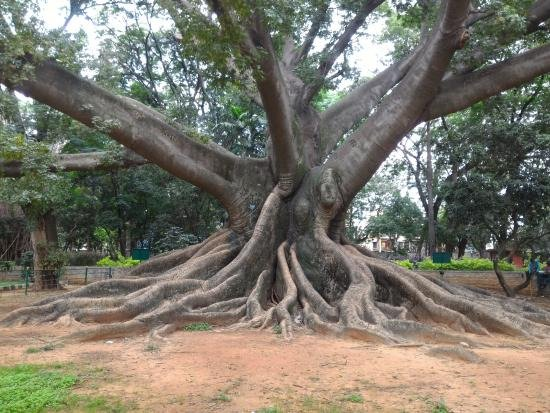
Botanists and plant lovers visit Lalbagh to study these rare trees. That is why Lalbagh is not just a park, but also an important botanical garden.
Lalbagh Lake – Calm and Beautiful
Lalbagh also has a peaceful lake. The lake adds natural beauty to the garden. In the morning, you can see birds near the water. Many walkers and joggers enjoy the cool breeze from the lake.
The lake area is a nice place to sit and relax. It shows how Lalbagh mixes nature and history together in one place.
Why These Places Are Important
The rare trees and historical monuments inside Lalbagh make it more than just a garden.
- The rock shows Earth’s ancient history.
- The Kempegowda Tower shows Bengaluru’s past.
- The rare trees show how rulers brought plants from around the world.
When you visit Lalbagh, you are not just walking in a park. You are walking through history.
Many regular visitors say that once you learn about these places, your visit becomes more meaningful and interesting.
Why Lalbagh Is Historically Important
Lalbagh Botanical Garden is not just a park. It is a very special place in the history of Bengaluru. It was started in the 1760s by Hyder Ali and later developed by his son Tipu Sultan. Because of them, Lalbagh became one of the oldest botanical gardens in India.
One big reason Lalbagh is important is that it helped India learn more about plants and farming. Many rare and foreign plants were brought here from different countries. Over time, Lalbagh became a center for studying plants, growing new varieties, and teaching people about gardening. Even today, experts take care of thousands of plant species inside the garden.
Lalbagh also shows the history of different rulers. First, it was developed by Mysore kings. Later, the British improved it and added scientific methods to manage plants. This means Lalbagh has seen many important periods of Indian history.
Another reason Lalbagh is famous is the beautiful Glass House. It was built in 1889 and is inspired by London’s Crystal Palace. Today, flower shows are held here every year during Republic Day and Independence Day. Many regular visitors say that these flower shows make them feel proud of India’s culture and beauty.
Lalbagh is also home to the ancient Lalbagh Rock, which is more than 3,000 million years old. This makes it one of the oldest rock formations on Earth. It reminds us how old and special this land is.
Most importantly, Lalbagh connects the past and the present. It tells the story of kings, British rule, and modern India. When people walk inside Lalbagh today, they are walking through history. That is why Lalbagh is not just a garden — it is an important part of Bengaluru’s heritage and India’s history.
Interesting Facts About Lalbagh
Here are some simple and interesting facts about Lalbagh Botanical Garden that many visitors love to know:
1. Lalbagh Is More Than 260 Years Old
Lalbagh was started in 1760. That means it is more than 260 years old! Many regular visitors say that when they walk inside the garden, they feel like they are walking through history.
2. It Is Spread Over 240 Acres
Lalbagh is very big. It covers around 240 acres of land. You can walk for hours and still not see everything in one day. That is why many people visit again and again.
3. It Has More Than 1,800 Types of Plants
Lalbagh has more than 1,800 species of plants, trees, and flowers. Some plants are very rare and come from other countries. It is like a living plant museum.
4. The Famous Glass House
The beautiful Glass House is the main attraction. It was built in 1889. It looks very special and shiny. Big flower shows are held here every year on Republic Day and Independence Day.
5. Lalbagh Rock Is Very, Very Old
Inside Lalbagh, there is a huge rock called Lalbagh Rock. Scientists say it is about 3,000 million years old. That makes it one of the oldest rocks in the world!
6. A Favorite Morning Walking Spot
Every morning, many people come here for walking, jogging, and yoga. The fresh air and green trees make people feel happy and relaxed.
7. Beautiful Lake Inside the Garden
There is also a peaceful lake inside Lalbagh. You can see birds, ducks, and sometimes even pelicans. The sunrise view near the lake looks very beautiful.
8. Name Meaning – “Red Garden”
The word “Lalbagh” means “Red Garden.” It is believed that the name came from the red soil found in this area.
Timeline of Lalbagh Botanical Garden History
| Year | Event |
|---|---|
| 1760 | Founded by Hyder Ali |
| 1782–1799 | Expanded by Tipu Sultan |
| 1856 | Taken under British supervision |
| 1889 | Glass House constructed |
| 1947 | Post-independence management |
FAQs – History of Lalbagh Botanical Garden
1. Who built Lalbagh Botanical Garden?
Lalbagh Botanical Garden was started by Hyder Ali in the year 1760. He wanted to create a beautiful garden with rare plants from different countries. Later, his son Tipu Sultan continued his work. Tipu Sultan brought many special plants and trees from other parts of the world. Together, they made Lalbagh one of the most important gardens in India.
2. Why is Lalbagh famous in history?
Lalbagh is famous because it is more than 250 years old. It was first built by the rulers of Mysore and later improved by the British. Many rare plants were planted here long ago. It also became an important center for plant research and gardening in India. Today, Lalbagh is known as the pride of Bengaluru and a very important historical place.
3. When was the Lalbagh Glass House built?
The famous Glass House in Lalbagh was built in 1889 during British rule. It was inspired by London’s Crystal Palace. The Glass House is now the main place where the Flower Show is held every year on Republic Day and Independence Day. Many regular visitors say that the Glass House looks most beautiful when it is decorated with flowers and lights.
4. How old is Lalbagh Rock?
Lalbagh Rock is around 3,000 million years old. This makes it one of the oldest rock formations on Earth. It is located inside the garden and is a very important natural monument. From the top of the rock, visitors can enjoy a nice view of Bengaluru city. It is a special place for people who love nature and history.
5. What is the historical importance of Lalbagh?
Lalbagh is historically important because it shows the garden culture started by Mysore rulers and later developed by the British. It helped in growing rare plants and studying horticulture in India. After Independence, it has been maintained by the Government of Karnataka. Even today, Lalbagh connects the past and present of Bengaluru in a beautiful way.
Also Read: Rare Trees in Lalbagh Botanical Garden (Full List 2026)
Final Thoughts
The history of Lalbagh Botanical Garden is not just about plants and trees. It is a story of kings, British officers, scientists, and nature lovers who helped build this beautiful place. From Hyder Ali starting the garden in the 1760s to Tipu Sultan bringing rare plants from other countries, Lalbagh slowly became one of the most famous gardens in India.
Many regular visitors say that when they walk inside Lalbagh, they feel calm and happy. The old trees, the peaceful lake, the Glass House, and even the ancient Lalbagh Rock remind us that this garden has seen hundreds of years of history.
Today, Lalbagh is not just a tourist spot. It is a part of Bengaluru’s heart. Families come here for morning walks. Students visit to learn about plants. During flower shows, thousands of people come to see the colorful decorations. Even after so many years, Lalbagh is still growing and inspiring people.
When you visit Lalbagh next time, do not just take photos. Try to remember its long journey — from a royal garden to a public botanical treasure. It connects the past and the present in a very beautiful way.
Lalbagh is not just a garden. It is history, nature, and pride of Bengaluru — all in one place.
Also See: Best Time to Visit Cubbon Park: Morning or Evening?