








Lalbagh Botanical Garden sits at the heart of Bengaluru like a deep breath. Step through its gates and the city noise drops away — replaced by birdsong, the rustle of century-old trees, and the cool shade of a place that has been growing for over 250 years. Whether you are visiting for the first time or returning after years, this guide covers everything you need to know to make the most of your visit.
A Quick History Worth Knowing
Lalbagh was founded in 1760 by Hyder Ali, the ruler of Mysore, who planted the first trees in what was then a modest pleasure garden. His son Tipu Sultan expanded it significantly, introducing rare plant species from across Asia and Europe. After the fall of Tipu Sultan in 1799, the British East India Company took over and handed management to the Madras Botanical Gardens. It was under British horticulturalist Dr. Francis Buchanan and later Dr. John Cameron that Lalbagh became the serious botanical garden it is today.
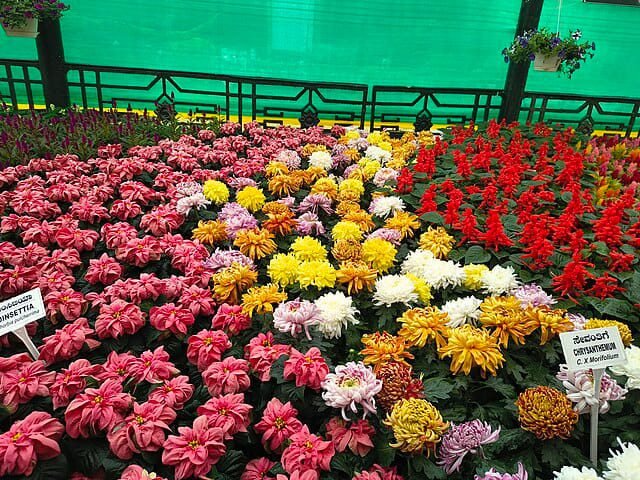
The famous Glass House — modeled after London’s Crystal Palace — was built in 1889. Today Lalbagh is home to over 1,000 species of plants, including trees that are more than 100 years old and listed as heritage trees by the government. Walking among them, you are walking among living history.
Getting There
By Metro: The closest metro station is Lalbagh Road on the Green Line. From there it is a 5-minute walk to the East Gate. This is the easiest and most stress-free option, especially on weekends when parking is difficult.
By Auto/Cab: Tell the driver ‘Lalbagh West Gate’ or ‘Lalbagh East Gate’ — both are well known. From MG Road or Koramangala, the drive takes 20–35 minutes depending on traffic.
By Bus: BMTC buses 201, 202, and several others stop at Lalbagh. The bus stop is right at the South Gate entrance.
By Car: Limited parking is available near the West Gate on Kumara Krupa Road. Arrive before 8 AM on weekends to find a spot.
Entry Gates and Timings
Lalbagh has four gates — East, West, North, and South. The West Gate (near Krishnarajendra Market) and East Gate (near Richmond Circle) are the most frequently used. Each gate has its own character: the West Gate drops you closest to the Glass House and the formal flower beds, while the East Gate is a quieter entry near the lake.
Garden timings: 6:00 AM to 7:00 PM, every day including public holidays.
Morning free entry: Between 6:00 AM and 9:00 AM, entry is free for all visitors. This is when Bengaluru’s morning walkers, joggers, and yoga practitioners come.
Entry fee (9 AM onwards): ₹30 per adult, ₹10 for children (ages 5–12), and free for children below 5. Senior citizens above 65 enter free.
Note: Camera fees may apply for professional photography. A basic mobile camera is fine without any additional charge.
The Main Attractions Inside
The Glass House
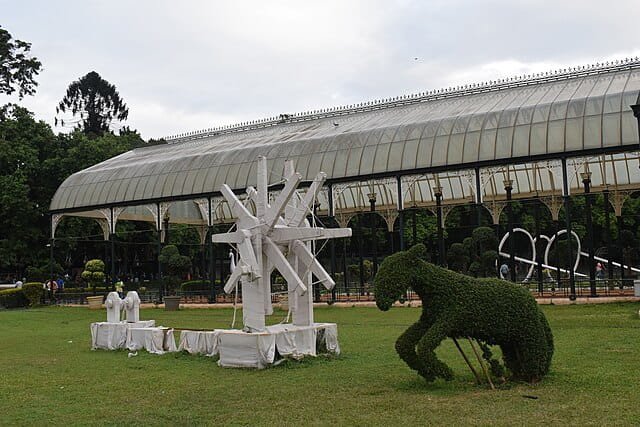
Built in 1889, the Lalbagh Glass House is the garden’s most iconic structure. It is a large iron-and-glass conservatory that hosts the famous Republic Day and Independence Day flower shows — events that draw hundreds of thousands of visitors every year. Outside of these shows, the Glass House is not always open inside, but the surrounding gardens and pathways are beautiful year-round.
Lalbagh Lake
The lake sits at the northern end of the garden and is one of the most peaceful spots in Bengaluru. In the early morning, you will find herons standing at the water’s edge and cormorants drying their wings on rocks. The path around the lake is flat, shaded, and perfect for a slow walk. Bring binoculars if you enjoy birdwatching — Lalbagh has been recorded as home to over 80 bird species.
The Rose Garden
Located near the West Gate, the Rose Garden is a formal section planted with hundreds of rose varieties in carefully maintained beds. It is most spectacular between October and February, when the cooler Bengaluru weather brings the roses into full bloom. Many visitors say it smells extraordinary in the early morning. Photography here is excellent — the symmetrical beds and colorful blooms make for striking frames.
The Bonsai Section
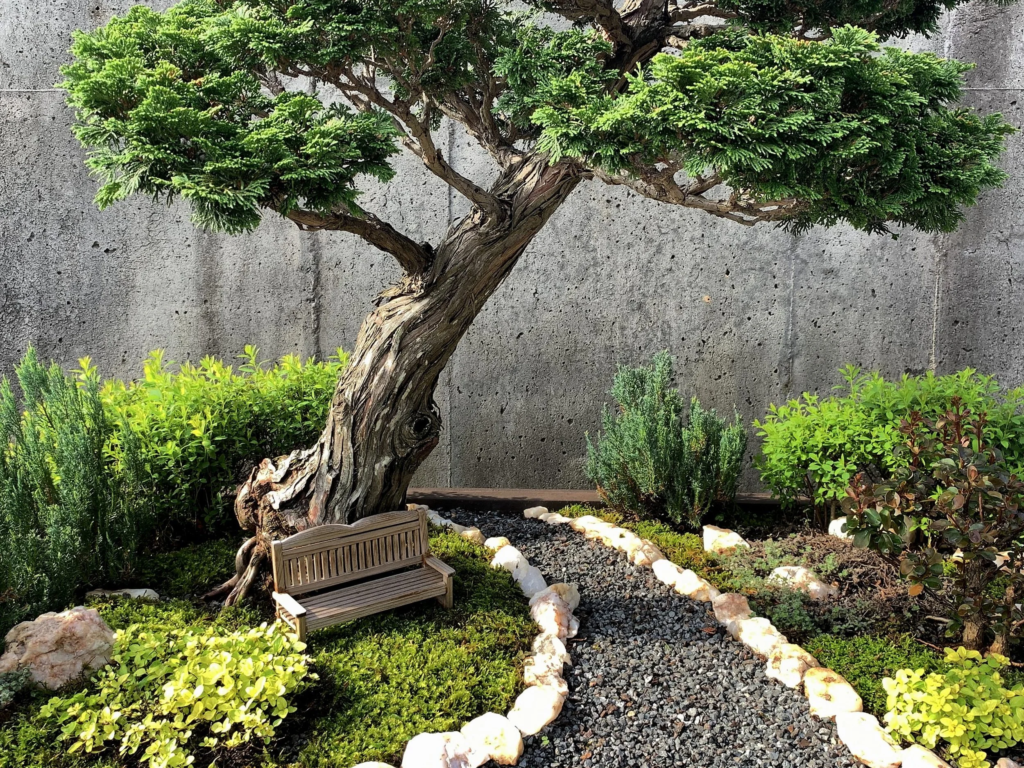
Tucked away near the central path, the Bonsai Section displays trees that have been trained and shaped over decades. Some of the specimens here are 30–50 years old and represent extraordinary patience and skill. The section is a reminder that gardening is not just science but also art.
Heritage Trees
Lalbagh is home to 49 trees that have been officially declared heritage trees by the Karnataka government. These include a 200-year-old Silk Cotton tree, ancient Rain Trees with canopies wider than a house, and imported species planted during the British era. The garden also has the oldest Banyan tree in Karnataka, estimated to be over 150 years old.
Best Time of Day to Visit
Early morning (6:00 to 9:00 AM) is universally considered the best time. The light is soft, the air is cool, the entry is free, and the garden has a genuine quietness that the afternoon crowds cannot match. If you are a photographer, this is the only time you want to be here.
Evening (4:30 to 7:00 PM) is a pleasant second choice — the golden light is beautiful and the temperature drops. Avoid 11 AM to 3 PM if you can, particularly in summer (March to May), as the sun can be intense.
What to Bring
- Comfortable walking shoes — the paths are mostly paved but some sections are uneven
- A water bottle — there are a few stalls inside but bringing your own is better
- Sunscreen and a hat for afternoon visits
- A small snack if you plan to stay long — note that no plastic packaging is allowed inside
- A camera or phone with a good camera — the garden is endlessly photogenic
- Binoculars if you enjoy birdwatching
Rules and Things to Know
Lalbagh has clear rules that protect the garden and are actively enforced. Littering carries a fine. You cannot pluck flowers or climb trees. Cycling is not allowed inside (except in the dedicated cycling area near the North Gate on certain days). Pets are not permitted. Playing loud music or using speakers is prohibited.
Food is allowed in designated picnic areas, but plastic bags and disposable containers are banned. Visitors are expected to use the dustbins placed at regular intervals throughout the garden.
Nearby Places to Visit
Lalbagh is in the southern part of central Bengaluru, close to several other good places. The famous Krishnarajendra (City) Market is just outside the West Gate and is worth a visit for its fresh flowers and vegetables. Tipu Sultan’s Summer Palace is about 15 minutes away and pairs well with a Lalbagh visit if you want a day of history and nature. Cubbon Park is about 4 km north and offers a very different but equally enjoyable green space.

Final Thoughts
Lalbagh Botanical Garden is not just a park — it is one of the few places in Bengaluru where the city’s history, ecology, and daily life genuinely overlap. Children learn about plants here. Elderly residents have walked these paths every morning for decades. Tourists come from across India and the world. Scientists come to study. And photographers come because no matter the season, something is always beautiful.
Plan to spend at least two hours. Come early, walk slowly, and let the garden surprise you.
Read Also: Lalbagh Morning Walk Pass 2026 – Fees, Rules & Timings