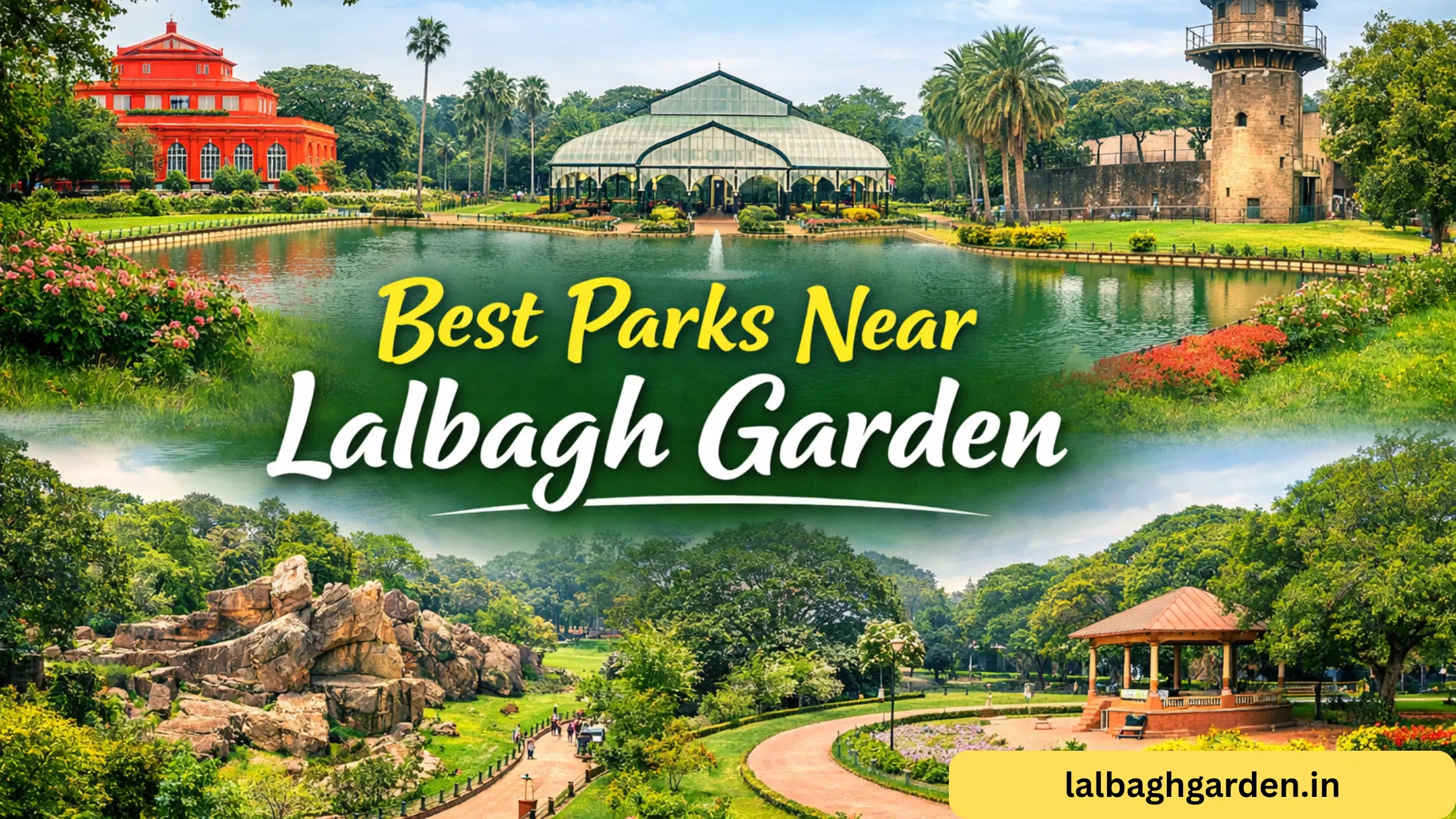










Nestled at the heart of one of South India’s oldest botanical gardens, Lalbagh Lake is a serene 37-acre freshwater lake that forms the natural centrepiece of the celebrated Lalbagh Botanical Garden in Bangalore (Bengaluru), Karnataka. Surrounded by towering ancient trees, manicured lawns, and an extraordinary collection of rare plant species, the lake offers a rare pocket of tranquillity within a city of over 12 million people.
For Bangaloreans, Lalbagh Lake is more than just a scenic water body — it is a morning walk ritual, a bird-watcher’s haven, a photographer’s dream, and a living classroom for nature enthusiasts of all ages. Visitors who arrive at dawn are treated to an unforgettable sight: mist rising gently off the water as painted storks and cormorants glide across the surface, while the city slowly stirs to life beyond the garden walls.
Whether you are a first-time tourist to Bangalore, a weekend nature seeker, or a local resident looking to rediscover a familiar gem, this comprehensive guide covers everything you need to know before your visit in 2026.
A Brief History of Lalbagh
The story of Lalbagh dates back to 1760, when Hyder Ali, the ruler of Mysore, commissioned a pleasure garden on the southern outskirts of Bangalore. The name itself translates to “Red Garden” in Urdu — a reference to the abundance of red roses that once dominated its landscape. After Hyder Ali’s death, his son Tipu Sultan expanded the garden significantly, importing rare plants from Persia, France, and the Mauritius islands.
Following the fall of Tipu Sultan in 1799, the garden came under British administration. Scottish botanist Dr. Francis Buchanan-Hamilton and later Dr. John Cameron transformed Lalbagh into a formal botanical garden modelled after Kew Gardens in London. The iconic Glass House — still standing today — was constructed in 1889, inspired by the Crystal Palace of London.
The lake itself was an integral feature from the garden’s earliest days, created to irrigate the grounds and provide a reflective landscape element. Over centuries, it evolved from a functional reservoir into a celebrated wildlife habitat and recreational landmark recognised by the Government of India as a garden of national importance.
Timings, Entry Fee & How to Reach
Opening Hours
| Day | Opening Time | Closing Time |
|---|---|---|
| Monday – Sunday | 6:00 AM | 7:00 PM |
| Public Holidays | 6:00 AM | 7:00 PM |
| Flower Shows (Republic & Independence Day) | Varied | Extended hours |
💡 Pro Tip: The garden does not close on any day of the week, including national holidays. However, it gets significantly crowded on Sundays and public holidays — plan a weekday visit for the best experience.
Entry Fee (2026)
| Category | Fee |
|---|---|
| Adults (Indian Nationals) | ₹20 per person |
| Children (below 12 years) | Free |
| Foreign Nationals | ₹200 per person |
| Students (with ID) | ₹10 per person |
| Flower Show (special events) | ₹30 – ₹100 (varies) |
How to Reach Lalbagh Botanical Garden
By Metro: The Purple Line of the Namma Metro has a station called Lalbagh Road that places you within a 5–10 minute walk of the garden’s main entrance. This is the most hassle-free option for most visitors.
By Bus: BMTC buses serve multiple routes to Lalbagh. Bus numbers 5, 11, 11B, 14, 18, and several others stop near the garden entrances on Lalbagh Road and Mavalli.
By Auto/Cab: Auto-rickshaws and app-based cabs (Ola, Uber) readily serve the area. The garden has four entrances — the main gate on Lalbagh Road, the north gate near Mavalli, the east gate, and the south gate — so specify your entry point.
By Car: Limited street parking is available near the entrances. Arrive early on weekends to secure a spot. The area around Mavalli generally has more parking options.
Best Time to Visit Lalbagh Lake
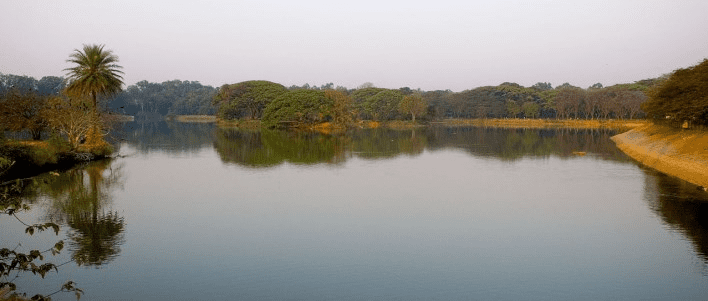
Bangalore’s relatively mild climate means Lalbagh Lake is enjoyable throughout the year, but conditions vary considerably across seasons.
🌿 Oct – FebBest Season. Cool, pleasant mornings. Migratory birds arrive. Ideal for photography and long walks.
🌸 Mar – MayGood for early morning visits. Garden flora is vibrant. Afternoons can be warm (30–34°C).
🌧 Jun – SepMonsoon season. Garden is lush and green but paths can be muddy. Carry an umbrella.
The best time of day to visit is between 6:00 AM and 9:00 AM. The lake is mirror-calm, bird activity is at its peak, and the soft morning light makes for exceptional photographs. Evenings between 4:30 PM and 7:00 PM are equally popular among joggers and families.
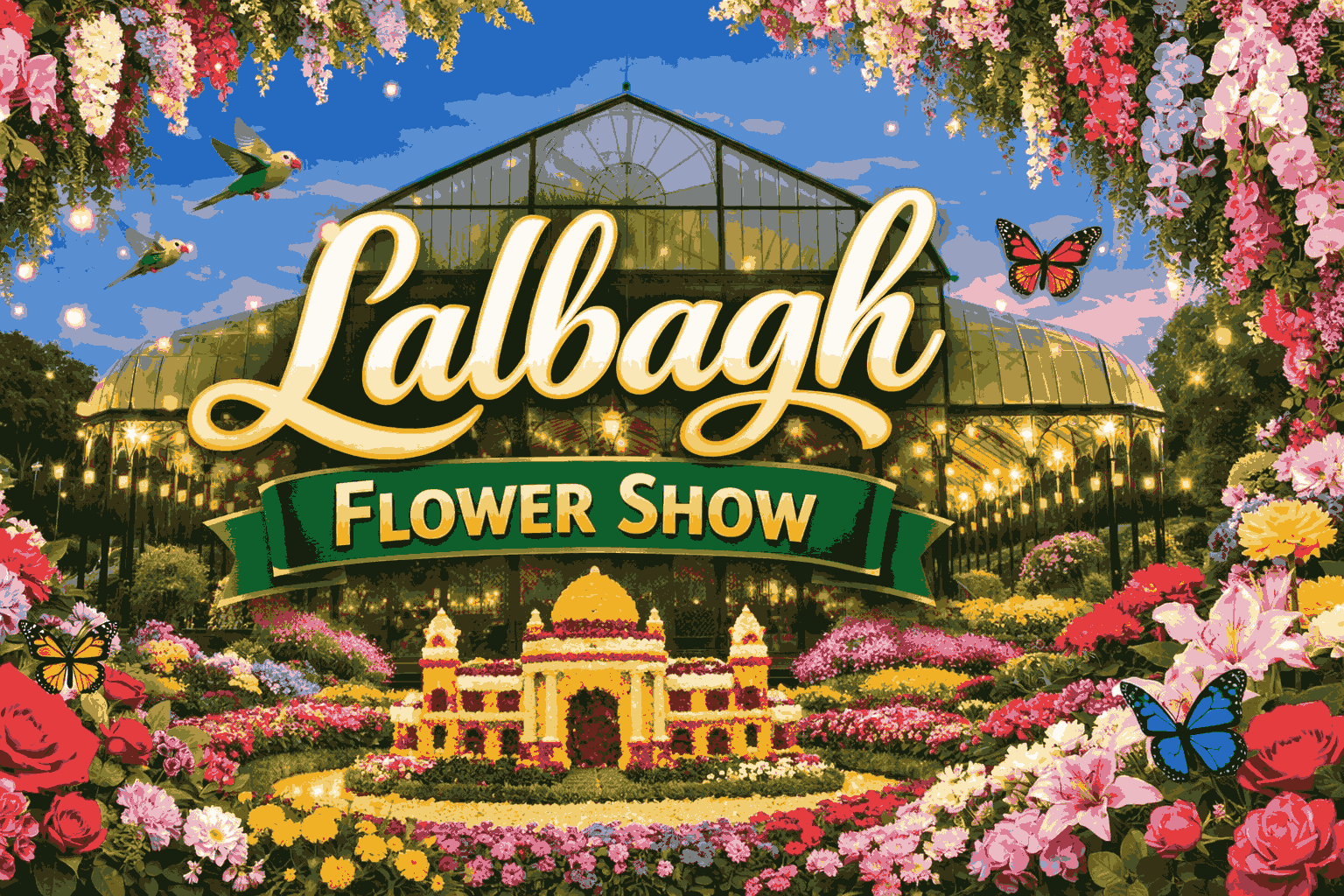
⚠️ Flower Show Timing: Lalbagh hosts its world-famous Flower Show twice a year — during Republic Day (January 26) and Independence Day (August 15). During these periods, the garden sees massive crowds and special entry fees apply. Book tickets in advance through the Karnataka Horticulture Department’s official channels.
Things to Do at Lalbagh Lake
Lalbagh Lake is far more than a passive viewing spot. The area in and around the lake offers a rich variety of activities for visitors of every age and interest.
🐦 Bird Watching
Over 80 species have been recorded here, including painted storks, purple herons, cormorants, kingfishers, and seasonal migratory ducks. Bring binoculars for best results.
📸 Photography
The lake’s reflections, colonial Glass House backdrop, and abundant wildlife make this one of Bangalore’s top photography locations. Golden hour light is exceptional.
🚶 Walking & Jogging
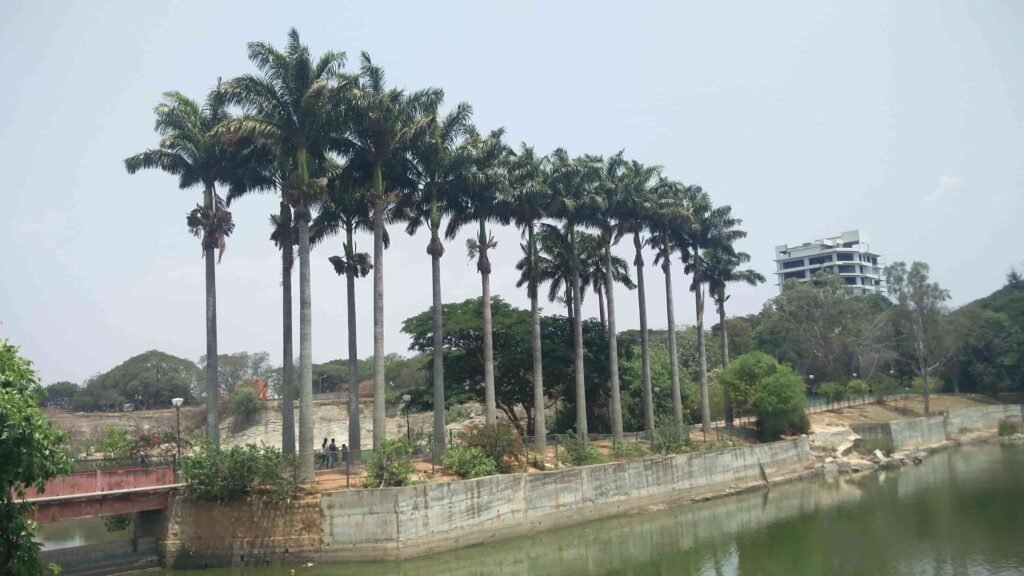
A well-maintained walking path circumnavigates the lake. The full loop is approximately 2 km and is popular with fitness enthusiasts every morning.
🌺 Botanical Exploration
Lalbagh houses over 1,000 plant species including century-old trees. Guided tours are occasionally available through the Horticulture Department.
🧘 Meditation & Yoga
The lakeside benches and shaded areas provide a peaceful setting for meditation and gentle yoga, especially in the early morning hours.
🎨 Sketching & Painting
Artists regularly set up easels around the lake. The scenery — water, trees, and heritage architecture — offers endless creative inspiration.
Note that boating on Lalbagh Lake is not permitted, as the water body is protected primarily as a bird sanctuary and ecological habitat. Swimming and fishing are also strictly prohibited within the garden premises.
Flora & Fauna Around the Lake
One of the most remarkable aspects of Lalbagh Lake is the density of biodiversity it sustains within an urban setting. The lake and its immediate surroundings form a micro-ecosystem that supports a surprising variety of life.
Notable Bird Species
The lake is a recognised Important Bird Area (IBA) by BirdLife International. Regular residents include the Little Cormorant, Indian Pond Heron, Purple Moorhen, Common Kingfisher, and Black-crowned Night Heron. Between November and February, visitors can spot winter migrants such as the Common Teal, Garganey, and various wader species that journey from Central Asia and the Himalayas.
Trees & Plant Life
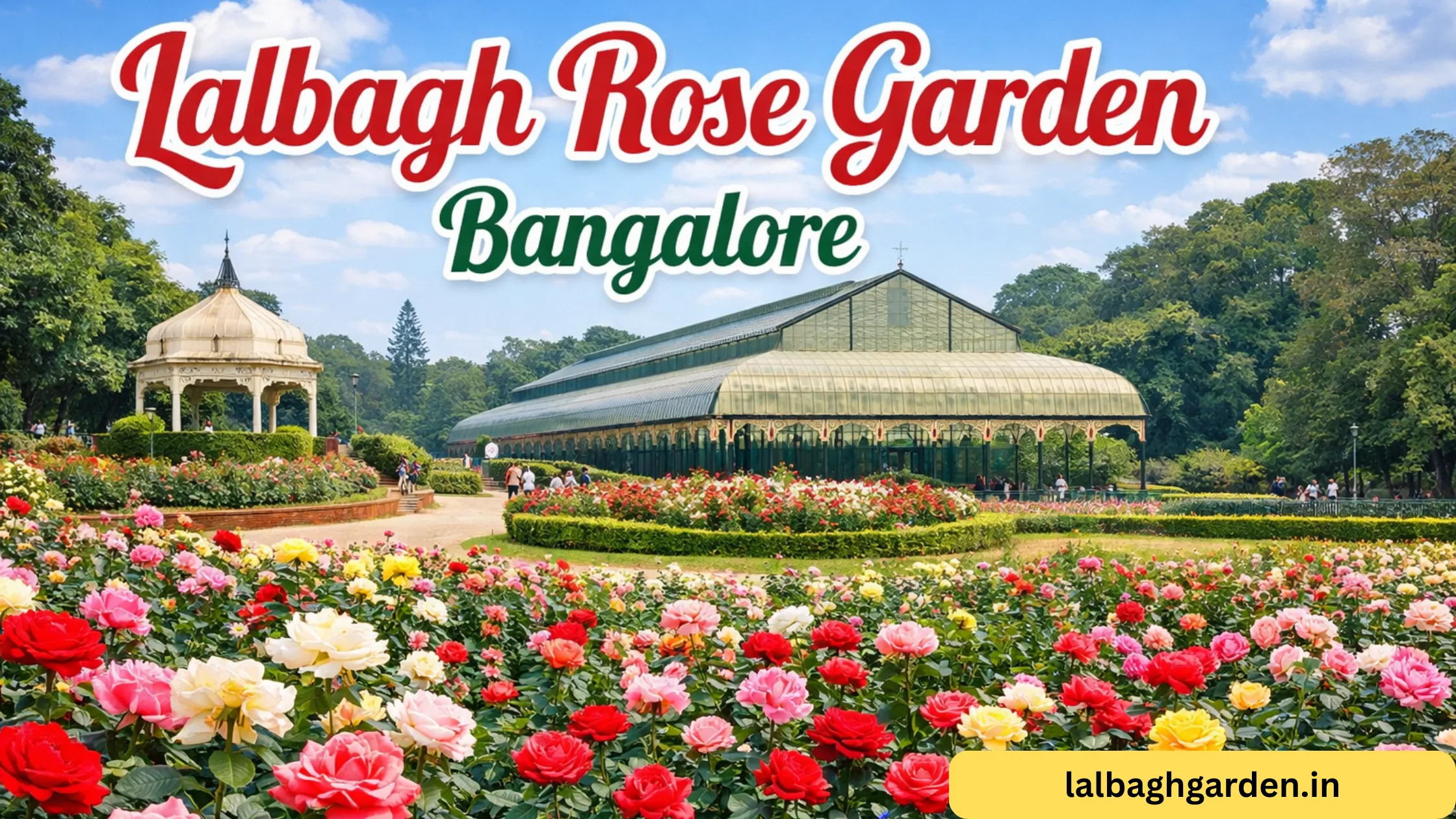
The lake’s perimeter is shaded by some of the oldest trees in Bangalore, including a 200-year-old Silk Cotton tree (Semal), ancient Banyan trees, and towering Alexandrian laurels. The garden also maintains dedicated sections for tropical palms, bamboo groves, succulents, and a beautiful rose garden that bursts into colour between December and February.
Other Wildlife
Beyond birds, the lake shelters several species of freshwater turtles, monitor lizards, and a healthy population of common frogs. Dragonflies and damselflies are particularly abundant during the post-monsoon season (September–November), making this a rewarding location for entomology enthusiasts.
Nearby Attractions
Lalbagh’s central location in Bangalore means several significant attractions lie within easy reach, making it simple to combine your lake visit with a broader city itinerary.
| Attraction | Distance | Highlights |
|---|---|---|
| Lalbagh Glass House | Within garden | Victorian-era greenhouse; venue for Flower Shows |
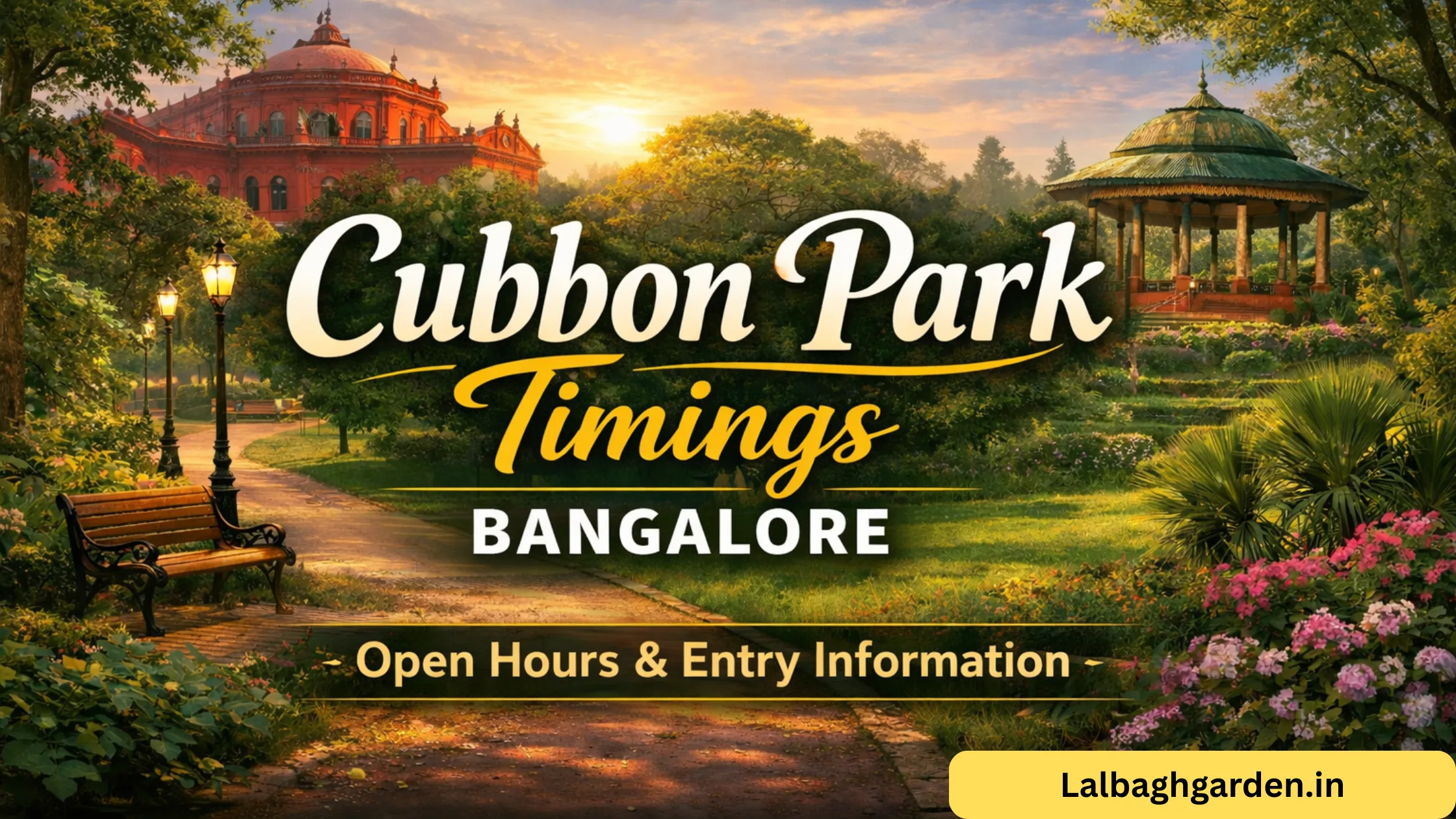
| Cubbon Park | ~3 km | Another major green lung; State Museum; Attara Kacheri |
| Mavalli Tiffin Room (MTR) | ~0.5 km | Iconic 100-year-old Bangalorean restaurant |
| Bull Temple (Dodda Ganesha) | ~2.5 km | Famous 16th-century Nandi shrine |
| Vidhana Soudha | ~5 km | Karnataka’s neo-Dravidian Legislative Assembly building |
| ISKCON Temple | ~7 km | One of India’s largest ISKCON complexes |
The combination of Lalbagh + MTR breakfast + Cubbon Park makes for an ideal half-day Bangalore itinerary that blends nature, heritage, and authentic local food culture.
Essential Visitor Tips
A little preparation goes a long way at Lalbagh. Here are practical tips gathered from seasoned visitors to help you get the most out of your trip:
👟 Footwear: Wear comfortable, closed-toe walking shoes. Paths near the lake’s edge can be uneven, and monsoon months bring slippery grass.
💧 Water & Snacks: Carry your own water bottle. While vendors operate near the entrances, amenities within the garden are limited. Plastic bags are not permitted inside.
🐛 Mosquito Protection: Apply a mild repellent if you plan to visit around dusk or during monsoon months, particularly near the lake’s vegetated edges.
📵 Respectful Conduct: Do not litter, pluck flowers, or disturb the birds. Drones require prior permission from the Horticulture Department and are not casually permitted. Loud music is discouraged within garden premises.
📷 Photography: No additional photography fee for personal cameras. Professional shoots (with tripods, lighting rigs) require written permission from the office near the main gate.
🅿️ Parking: Arrive before 7:30 AM on weekends if you’re driving. The Mavalli area near the south gate typically has better parking availability than the main Lalbagh Road entrance.
Read Also: Lalbagh Flower Show: A Complete Guide for Visitors
Frequently Asked Questions (FAQ)
Is boating available on Lalbagh Lake?
No. Boating is not permitted on Lalbagh Lake. The lake is protected as a wildlife habitat, and motorised or paddle boats are not allowed to preserve the bird and aquatic life that depend on it.
Can I visit Lalbagh Lake for free?
The garden charges a nominal entry fee of ₹20 for adults and ₹200 for foreign nationals. Children below 12 years of age enter for free. There is no separate charge specifically for the lake — it is included with the garden entry.
Is Lalbagh Lake open on public holidays?
Yes, Lalbagh Botanical Garden and its lake remain open on all public holidays, including national holidays. Expect larger-than-usual crowds on these days.
What is the best entry gate for reaching the lake quickly?
The North Gate (Mavalli entrance) or the East Gate typically provide the shortest walk to the lake area. The main Lalbagh Road gate is more central but involves a slightly longer walk to the water.
Are pets allowed inside Lalbagh Garden?
Generally, pets are not allowed inside Lalbagh Botanical Garden, as the presence of animals can disturb the resident and migratory bird populations around the lake.
Is Lalbagh Lake suitable for children?
Absolutely. The flat, well-maintained walking paths, open green spaces, and fascinating bird life make Lalbagh Lake an excellent outing for families with children. The Flower Shows are particularly child-friendly events.
Final Thoughts
Lalbagh Lake stands as a compelling reminder that even one of India’s fastest-growing metropolitan cities can nurture a sanctuary of green, still water, and wildlife at its very centre. Whether you come for the birds, the centuries-old trees, the meditative walking paths, or simply a quiet hour away from urban noise, the lake never disappoints.
With affordable entry, year-round accessibility, and a richness of experiences that rewards multiple visits across different seasons, Lalbagh Lake is one of the finest free-time investments you can make during any trip to Bangalore. Plan your visit for a weekday morning, arrive at dawn if you can, and let the gentle world of the lake work its quiet magic on you.
Have you visited Lalbagh Lake? Share your experience in the comments below, or bookmark this guide for your next Bangalore adventure.